
7 Reasons More Homeowners Use Decorative Rocks for Low-Maintenance Landscaping
Landscaping can improve a property's appearance while creating outdoor spaces that are easier to enjoy and maintain. Many homeowners are looking for alternatives to traditional lawns and planting beds that require frequent watering, mowing, trimming, and seasonal care. Decorative rocks can provide a practical way to add texture, structure, and visual interest without depending entirely on living plants. They are available in different sizes, shapes, colors, and textures to complement a property's existing design. According to Grand Research Store, growing urbanization and increased landscaping spending are contributing to decorative rock market growth, with North America accounting for more than 35% of the market share. These materials can be used around walkways, garden beds, trees, patios, and other outdoor features. Their versatility allows homeowners to create landscape designs that match both aesthetic preferences and maintenance goals. The following reasons explain why decorative rocks continue to be considered for low-maintenance residential landscaping.
1. Reducing Routine Yard Maintenance
One reason homeowners consider decorative rocks is their ability to reduce the amount of routine landscape maintenance required. Unlike grass, rock surfaces do not need to be mowed, edged, or trimmed as they grow. They can also provide coverage in areas where maintaining turf may be inconvenient or difficult. Homeowners may use rock beds around trees, along property borders, or in spaces where traditional landscaping has struggled. This can reduce the amount of time spent managing certain parts of the yard throughout the year. Occasional raking or repositioning may be necessary, particularly after heavy weather or other disturbances. However, these tasks are generally different from the recurring care required by living groundcover. For homeowners seeking simpler outdoor maintenance, decorative rocks can create attractive landscape areas without adding another growing material to manage.
2. Conserving Water Around Plantings
Water conservation is another consideration when homeowners redesign portions of their landscapes. Traditional lawns and some plant beds may require regular irrigation, particularly during periods of hot or dry weather. Rock-covered areas do not require watering, which can help reduce irrigation needs in portions of a property. Homeowners can combine stone surfaces with drought-tolerant plants to create landscapes that use water more selectively. Rocks can also help define planting areas and provide contrast around shrubs, ornamental grasses, and other vegetation. Choosing plants according to local conditions can further support a water-conscious landscape design. Proper installation is important because the underlying soil and drainage conditions should be considered before materials are placed. Decorative rocks can therefore complement landscaping strategies that prioritize efficient water use while maintaining visual interest.
3. Creating Long-Lasting Landscape Features
Homeowners may also choose rock materials because they can remain useful for many years when properly installed and maintained. Unlike plants, they do not grow beyond their intended areas or change with normal seasonal cycles. Their appearance can remain relatively consistent while surrounding vegetation changes throughout the year. This makes them useful for establishing permanent borders, pathways, drainage areas, and landscape accents. Proper preparation of the underlying area can help reduce shifting, unwanted growth, and other maintenance concerns. The type and size of stone should also be selected according to how the space will be used. Larger landscape features may require different materials than small decorative beds around plants. Decorative rocks can provide a durable foundation for landscape designs that homeowners want to remain visually consistent over time.
4. Adding Texture And Visual Contrast
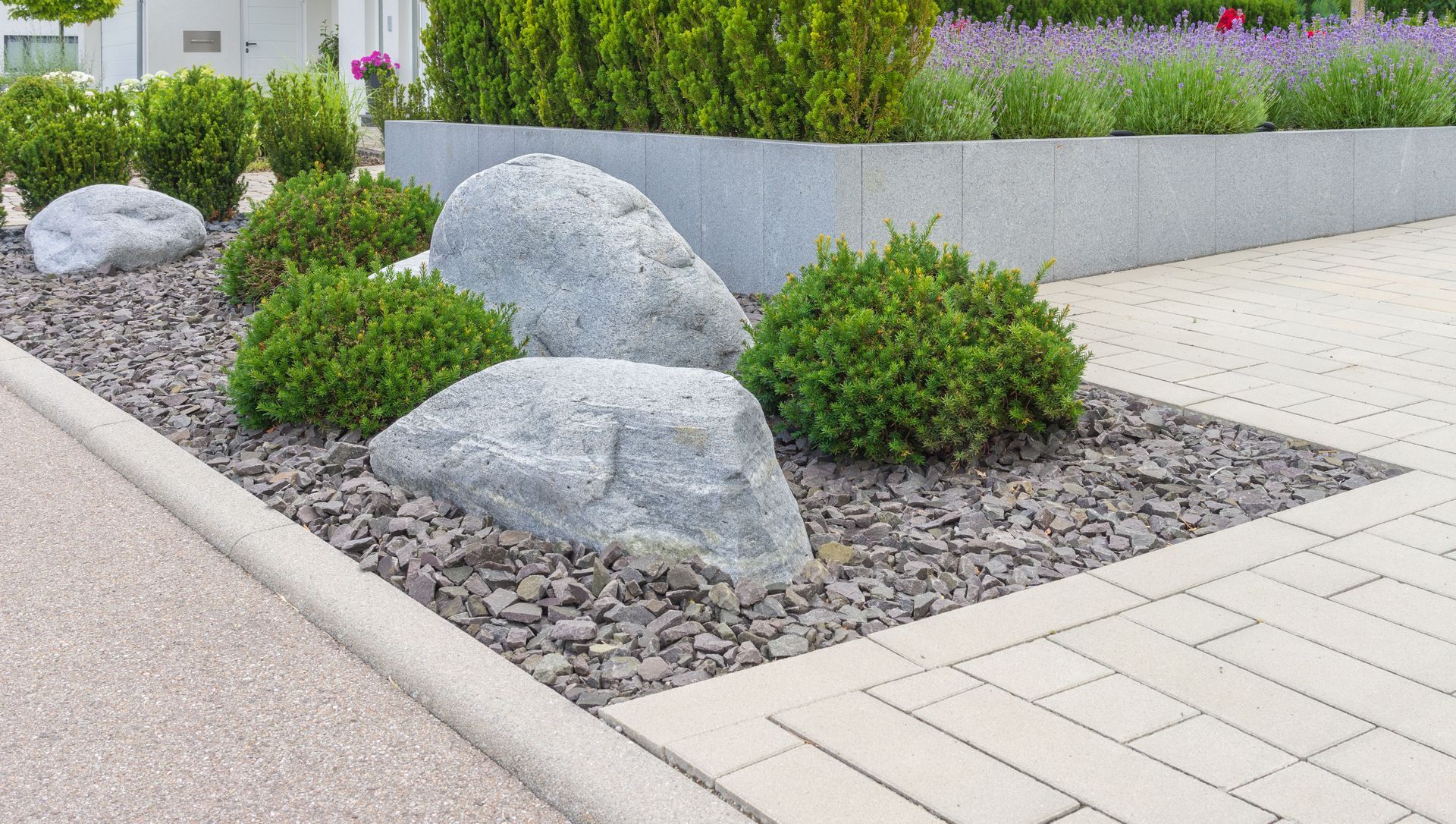
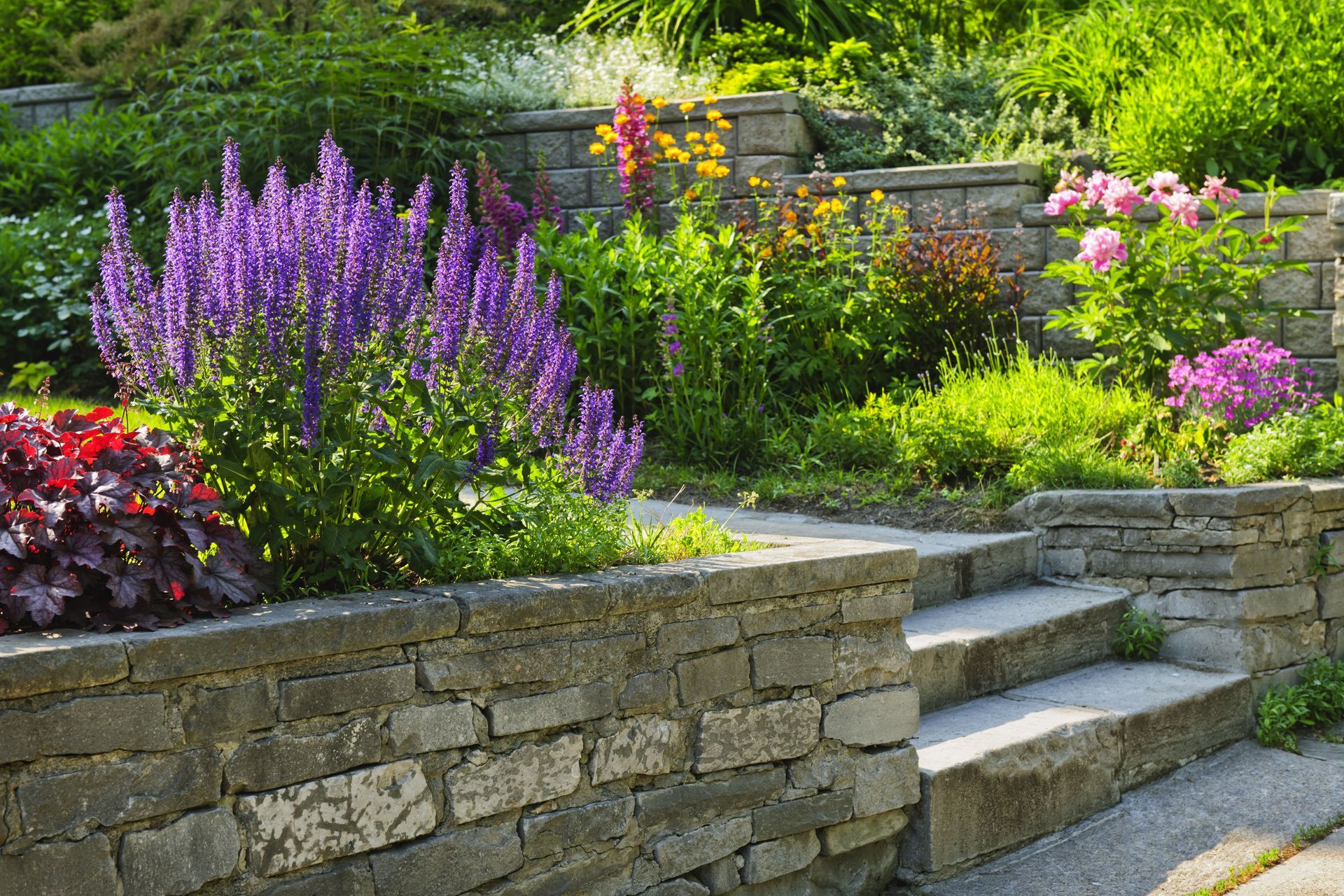
Landscapes can appear more dynamic when different textures and materials are combined throughout the property. Rock surfaces can contrast with green foliage, colorful flowers, wood features, concrete, or other hardscape materials. Different stone colors can also complement the exterior colors of a home and surrounding architectural elements. Smaller stones can create subtle ground coverage, while larger pieces can serve as noticeable landscape accents. Mixing materials thoughtfully can prevent large areas from appearing flat or visually repetitive. Homeowners can use contrasting textures to guide attention toward entrances, pathways, planting beds, or outdoor gathering areas. The selected materials should still coordinate with the overall landscape style so the finished design feels intentional. Decorative rocks provide one option for introducing natural texture and visual variety without relying entirely on plants for landscape appeal.
5. Improving Landscape Drainage Areas
Certain rock materials can also be useful in areas where water movement and drainage need to be considered. Rock beds may help define drainage channels or create designated areas where runoff can move across the property. They can be incorporated around downspouts, along slopes, or near other locations where water tends to collect. Proper grading and installation remain essential because simply placing rocks over an existing drainage problem does not automatically resolve it. A landscape professional can evaluate the property's slope and determine how materials should be positioned for the intended purpose. The right approach can help direct water away from areas where pooling may create problems. Drainage-focused landscape features can also contribute to the property's overall appearance when they are incorporated into the design carefully. Decorative rocks can therefore serve both functional and aesthetic purposes when used appropriately around drainage areas.
6. Defining Walkways And Outdoor Spaces
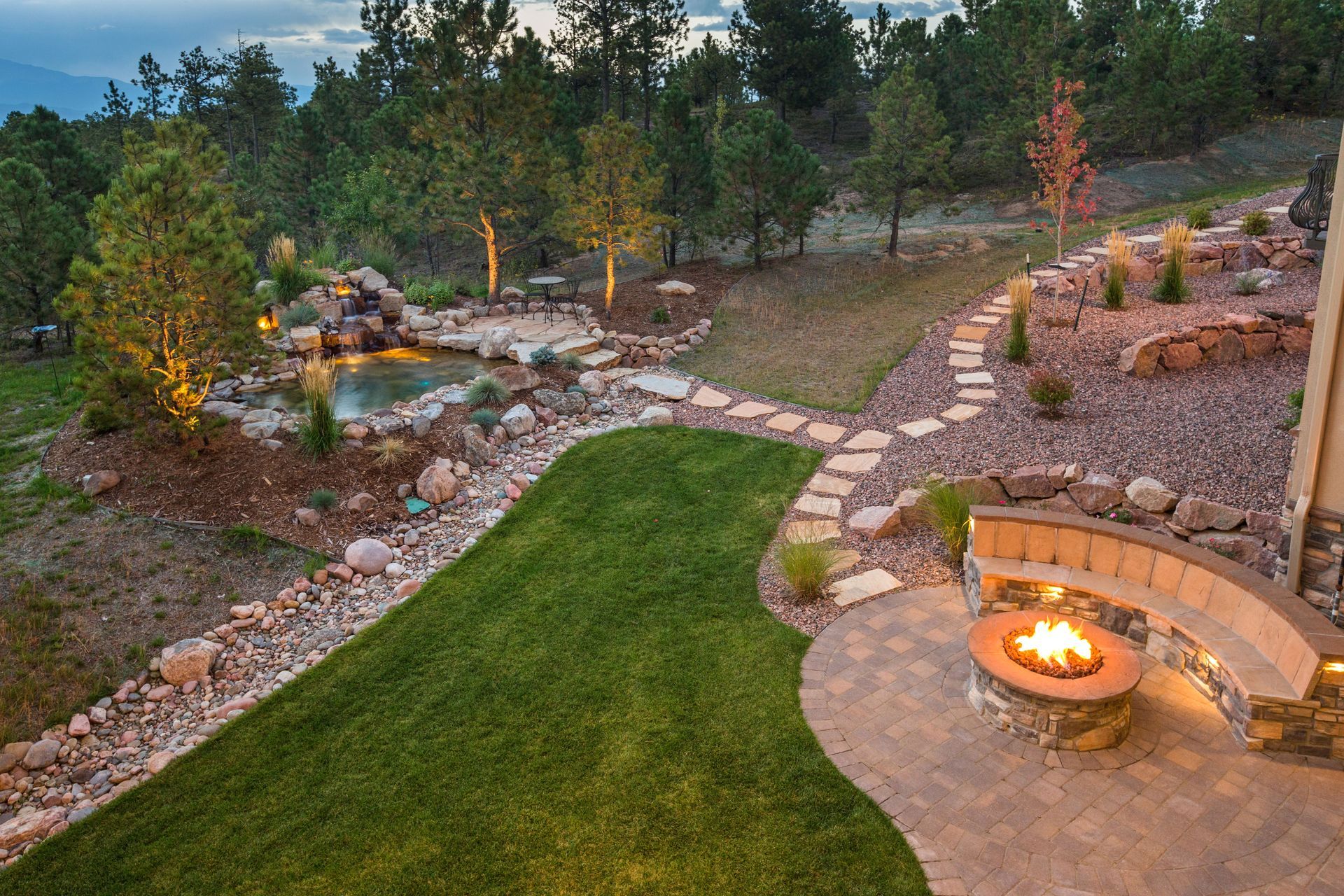
Rock materials can help homeowners create clear boundaries between different parts of an outdoor property. They can outline walkways, separate garden beds from lawns, or define transitions between patios and planted areas. These visual boundaries can make a landscape feel more organized without requiring elaborate construction. Different stone sizes can be selected depending on whether the material is intended primarily as an accent or part of a walking surface. Homeowners should consider stability and safety when selecting materials for areas where people will regularly walk. Proper edging can also help keep loose material contained and maintain a clean appearance. A well-planned layout can make outdoor spaces easier to navigate while giving the landscape a more structured appearance. Decorative rocks can be particularly useful when homeowners want to distinguish different functional zones without adding extensive hardscape construction.
7. Supporting Flexible Landscape Designs
Another advantage is the flexibility these materials provide when homeowners want to update or expand their landscape designs. Rocks can be incorporated into small projects or larger renovations depending on the size and layout of the property.
Homeowners can use them as a primary groundcover or combine them with plants, mulch, pavers, and other landscape materials. Their neutral appearance can also work with many different architectural and landscape styles. If the homeowner later changes the surrounding plantings, the rock areas can often remain part of the updated design. This flexibility can make it easier to adapt outdoor spaces as preferences and household needs change. Choosing complementary colors and sizes can help ensure the material remains suitable if the landscape evolves. Decorative rocks can therefore provide a versatile component for homeowners developing an outdoor design that can change over time.
Creating a low-maintenance landscape requires more than simply replacing grass with rock materials. Homeowners should first evaluate drainage, sunlight, soil conditions, existing vegetation, and the intended use of each outdoor area. These factors can help determine where different landscape materials will perform appropriately. Proper preparation is also important because clearing unwanted growth and establishing suitable boundaries can improve the finished result. Homeowners should consider how much maintenance they are willing to perform before selecting materials and plants. A balanced landscape can combine rock areas with carefully selected vegetation to reduce maintenance without making the property feel overly bare. Professional guidance can also help determine appropriate quantities and placement for different materials. Herman's Landscape Supplies can help homeowners select suitable landscape materials for creating attractive and manageable outdoor spaces.
Herman's Landscape Supplies provides landscape materials that can help homeowners bring their outdoor design ideas to life. Contact us to explore material options for creating a landscape that combines visual appeal, functionality, and manageable maintenance.
Share On: