
Creative Ways to Use Landscape Rocks in Your Garden
Gardening isn't just about planting flowers and greenery. It's also about creating texture, visual interest, and structure in your outdoor space. One of the most versatile tools for achieving this is the use of landscape rocks. From adding a subtle contrast to greenery to establishing functional pathways and defining garden areas, rocks can dramatically transform your garden's look and feel.
Beyond aesthetics, landscape rocks offer practical benefits. They help with soil retention, reduce erosion, and provide low-maintenance alternatives to traditional garden borders or mulch. Whether you're designing a tranquil rock garden, creating winding pathways, or accentuating water features, incorporating rocks allows for creativity and durability in equal measure. By thoughtfully selecting, placing, and maintaining rocks, gardeners can enhance both the beauty and functionality of their outdoor spaces.
Creating Pathways and Walkways
Choosing the Right Type of Rock
Choosing the appropriate type of rock for pathways is essential to ensure both durability and aesthetic appeal in your garden. Consider using rocks like crushed granite, pea gravel, and flagstone; each offers a unique texture and color palette that can complement your garden's theme. Crushed granite is ideal for a rustic look, while pea gravel provides a softer, more polished finish. Flagstone, with its larger, flat surfaces, offers excellent stability for foot traffic. Ensuring your chosen rock type is locally sourced can further enhance the sustainability of your pathway project.
Designing the Layout
When designing the layout of your rock pathways, focus on creating routes that are both functional and aesthetically pleasing. Consider the flow and accessibility, ensuring paths connect key areas such as garden beds, seating areas, and entryways. Curved paths can create a sense of intrigue and discovery, while straight lines offer a more formal and structured look. Use garden stakes and string to outline the intended path shape before installation begins. A well-designed layout can also enhance the overall viewing pleasure by guiding visitors through the most scenic parts of your garden.
Preparation and Installation
Preparation is a critical step to ensure the longevity of your rock pathways. Begin by removing existing grass or soil and leveling the ground to create a stable foundation. Installing a landscaping fabric can prevent weed growth while allowing for proper drainage, crucial for maintaining the integrity of the pathway. Once prepared, layer the chosen rock carefully, ensuring even distribution and compaction for a robust finish. Properly installed pathways not only improve garden accessibility but also enhance its design coherence.
Building Rock Gardens
Choosing the Right Location
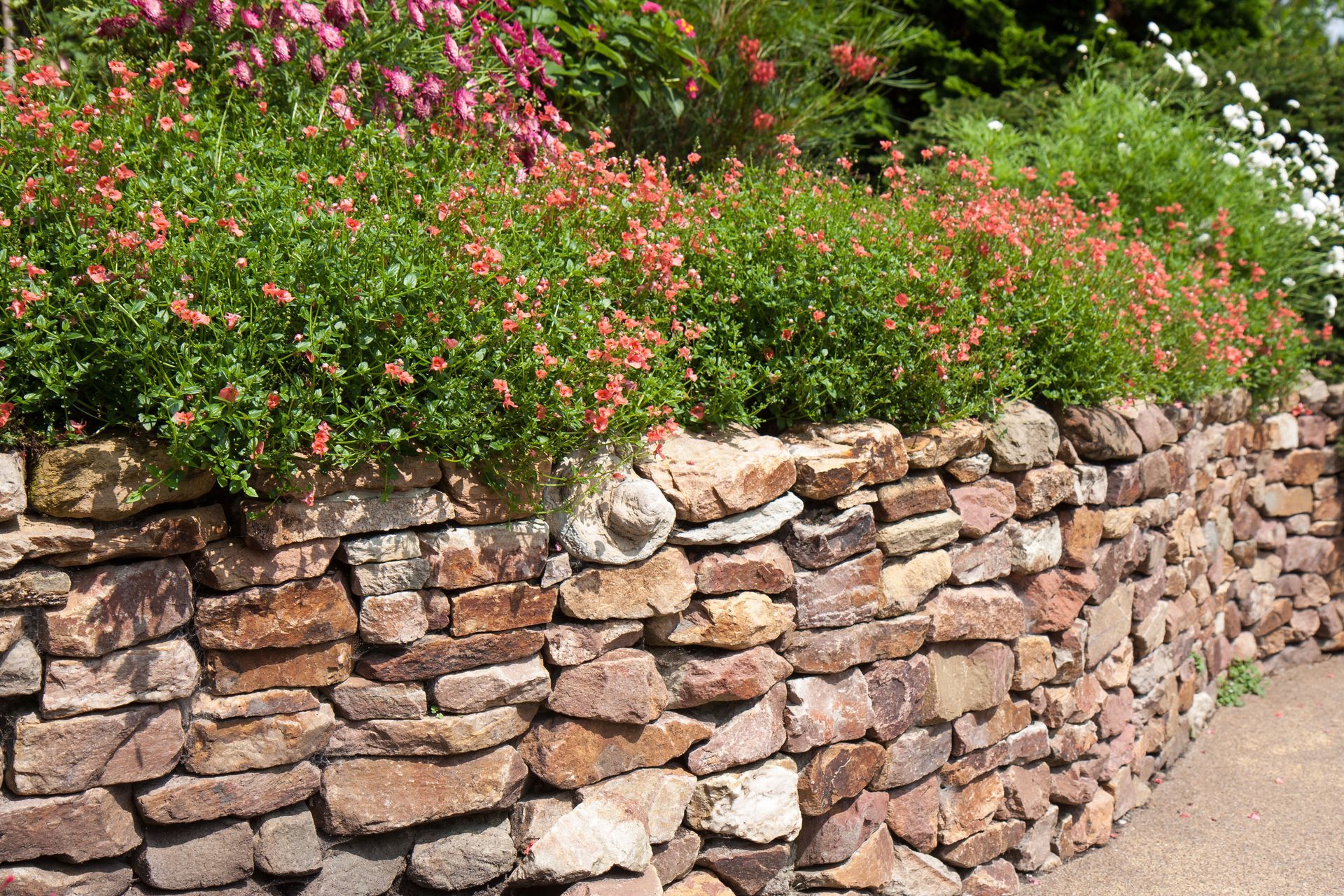
Location selection is crucial when planning to build a rock garden; it should draw the eye and maximize visual impact. Not only are they aesthetically pleasing, but they typically require less maintenance than a traditional garden. According to Today's Homeowner, gravel gardens need 80% less maintenance than typical gardens. Consider placing your rock garden on a slope, utilizing the natural gradient to add height and dimension. Alternatively, a flat space can be the perfect canvas for creating a serene and contemplative area. Ensure that the location receives ample sunlight or shade based on the types of plants incorporated, retaining a balance between light and moisture needs. A well-chosen location will integrate the rock garden seamlessly into your overall landscape design.
Selecting Complementary Plants
To achieve harmony in your rock garden, selecting plants that thrive in rocky conditions is essential. Look for drought-resistant species like succulents, grasses, and perennial herbs that flourish in minimal soil yet offer vibrant textures and colors. Their ability to withstand the elements complements the rocky background, creating a picturesque and sustainable garden feature. Consider the microclimate within the rock garden, choosing plants that can thrive under specific conditions, such as full sun or shade. The right plant selection amplifies the aesthetic allure of your rock garden, creating a botanical tapestry that captivates and endures.
Layering Techniques
Layering rocks in your garden is an art form that adds depth and interest, developing a dynamic landscape. Begin with larger foundational stones, setting a sturdy base that supports subsequent layers. Gradually introduce medium-sized rocks, stepping back to view the balance of size, shape, and texture. Incorporate small stones and gravel to fill gaps and smooth transitions, blending the structure smoothly with the surrounding environment. Skillful layering results in a natural, cascading effect that mimics the ascetic beauty of a mountain slope.
Using Rocks for Borders and Edging
Defining Spaces
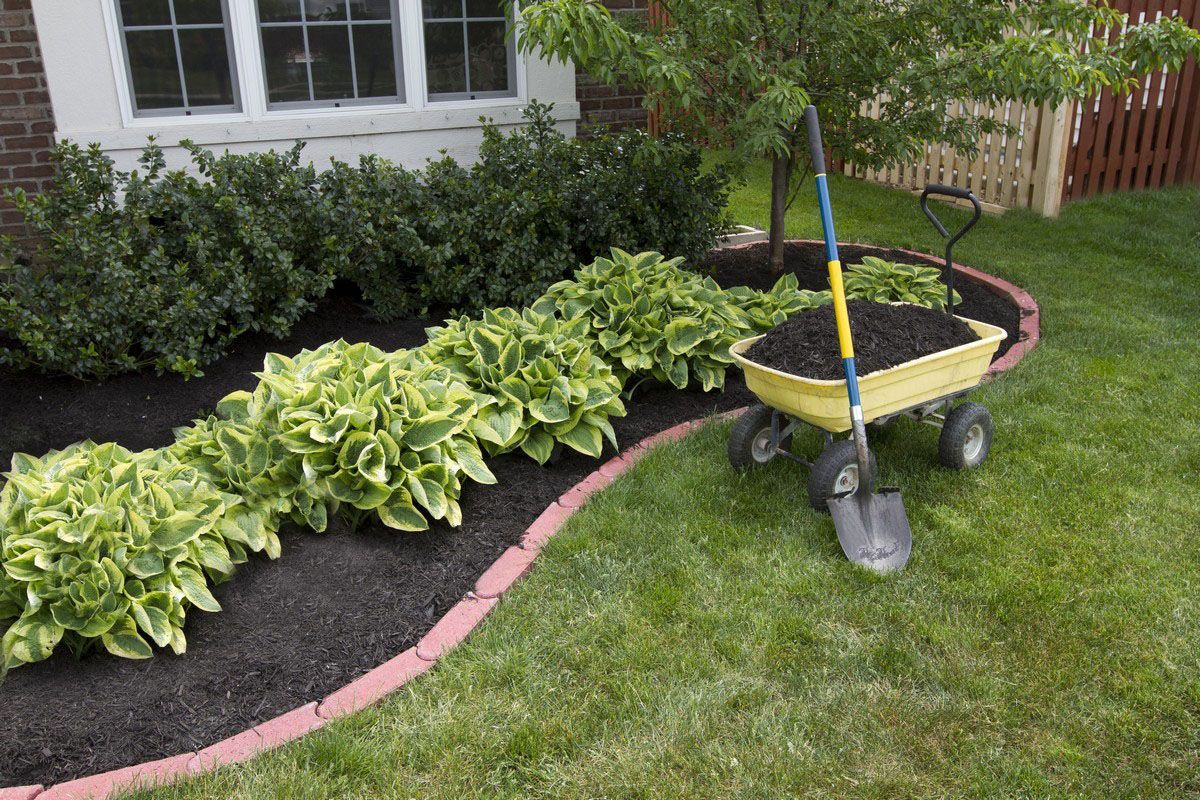
Landscape rocks are excellent tools for defining spaces in your garden, creating distinct areas that guide movement and focus. Use them to line pathways, circle garden beds, or separate lawn from planted areas, crafting a deliberate flow. Choosing rocks that contrast with surrounding materials enhances boundary visibility while adding texture and variety. Define spaces through creative rock patterns or layouts, aligning their function with your garden's theme. Clearly defined spaces offer clarity in design, enhancing both the utility and aesthetic of your garden.
Design Styles
Explore myriad design styles when using landscape rocks for borders and edging to complement your garden's theme. Natural styles involve irregularly shaped stones positioned casually for a relaxed, organic vibe. Contemporary gardens may benefit from uniform rock shapes and sizes, providing clean, straight lines that signify modern designs. Incorporate mosaics or color patterns with small stones for inventive, personal touches that reflect artistic flair. Selecting an edging style is key to maintaining thematic coherence, enhancing your garden's individuality and character.
Maintaining Defined Edges
Maintaining clearly defined edges using rocks requires persistent care to protect them from sprawling plants or soil movement. Regularly remove encroaching grass or weeds from the edging to preserve its intended lines and visual strength. Refresh compacted areas with loose gravel to maintain texture and prevent erosion or displacement. Inspect edges for settling or imbalance, realigning stones periodically to maintain structural integrity. A vigilant maintenance regimen ensures your garden borders remain precise and functional while enhancing landscape definition.
Enhancing Water Features With Rocks
Integrating Natural Rocks
Natural landscape rocks enhance water features by promoting an organic, unrefined appearance reflective of undisturbed landscapes. Use them in water feature construction, such as pond edging or waterfall bases, to mimic nature's artistry. Flat rocks create tranquil, zen-like settings, inviting relaxation through the harmonious union of elements. Irregularly shaped stones add diversity, softening water lines and blending edges with the surrounding terrain. Incorporating natural rocks in water features grounds your garden, creating an oasis where innovation meets nature.
Installing River Rocks
River rocks are an excellent choice for lining streams and water features due to their sleek, smooth surfaces and round shapes. The erosion process they undergo makes them sublime for water displays, with formations that direct flow elegantly. Place them strategically in water feature designs to accentuate smooth transitions and create tranquil water trails. Their ability to reflect light and color enhances water translucence, expanding the visual interest. In addition to aesthetics, river rocks offer low maintenance and durability, enduring the test of time with little effort.
Creating Focal Points
Rocks can transform water features into majestic focal points in your garden, capturing attention with artistic display. Large, monolithic stones serve as visual anchors, guiding the viewer's eye and setting a dynamic focal narrative. Use smaller rocks to create compelling patterns or contrast, shaping the viewer's perception through deliberate placements. Consider features like stepping stones or submerged ledges, inviting interaction while adding playful depth and dimension. Sculptural arrangements of rocks create visually compelling pieces, celebrating the interplay of water, light, and structure.
By designing pathways, building monumental rock gardens, and using rocks for borders, each idea demonstrates the endless possibilities presented by landscape rocks. Integrating landscape rocks in sustainable gardening practices and aesthetically appealing arrangements empowers gardeners to shape transformative, enriching landscapes. Whether employing rocks for resource preservation or creating focal water features emphasizing acoustic harmonies, these techniques cultivate spaces of beauty, innovation, and connectedness within nature. Reach out to Herman's Landscape Supplies for more tips or to get started with a free quote!

Share On: