
A Guide to Understanding Top Soil
Understanding top soil is important for anyone planning a landscape project, maintaining healthy outdoor spaces, or supporting plant growth. This valuable layer of soil contains organic matter, minerals, and living organisms that contribute to healthier landscapes and stronger root systems. Whether used in residential or commercial settings, top soil plays a key role in supporting long-term landscape success. Learning how it works and why it matters can help property owners make informed decisions about their landscaping materials and outdoor environments.
Understand What Top Soil Contains
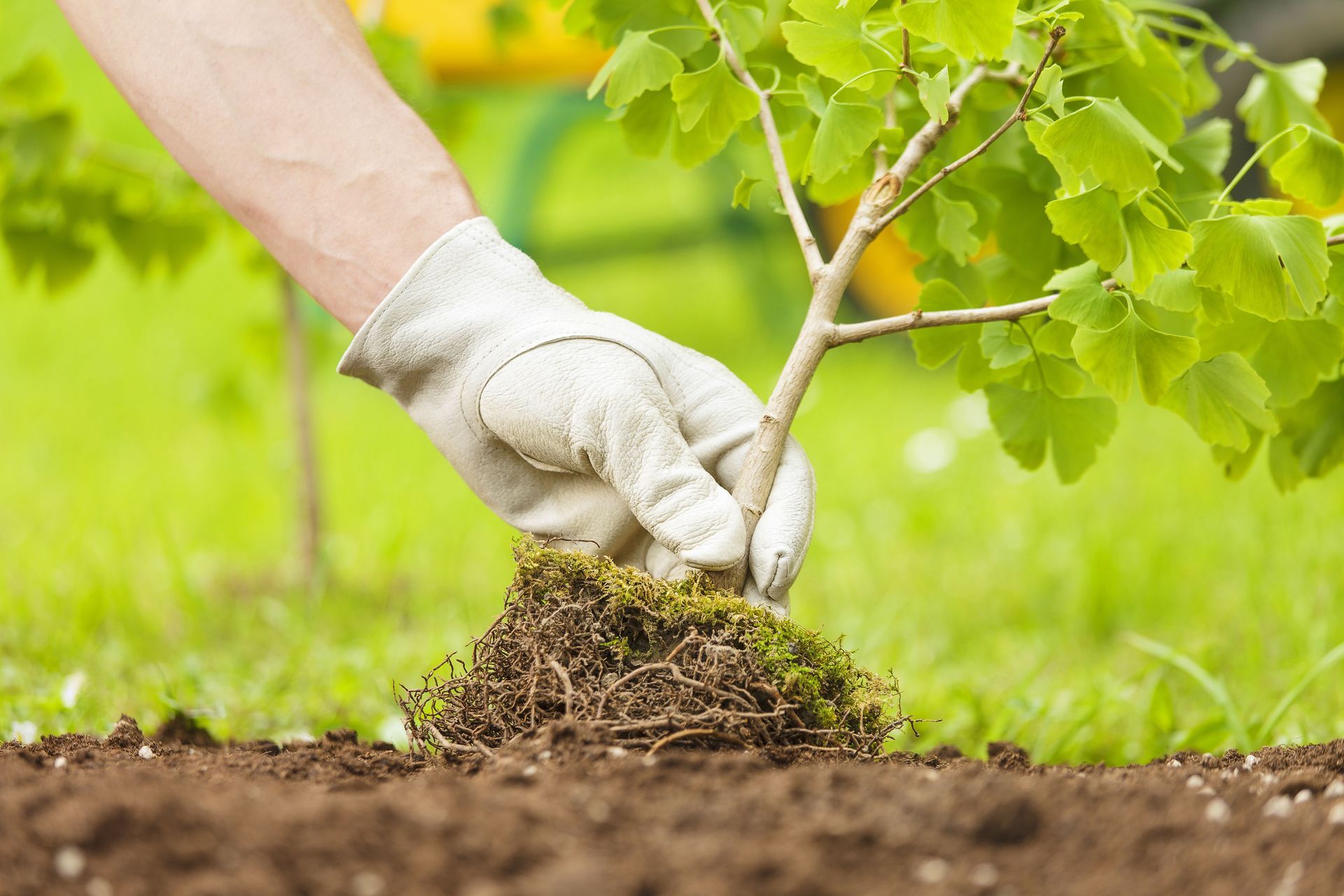
Top soil is the uppermost layer of soil where most plant roots grow and essential biological activity occurs. It contains a blend of organic matter, minerals, air, water, and microorganisms that work together to support healthy vegetation.
According to LawnStarter, the topsoil layer typically extends between two and 12 inches below the ground surface. This nutrient-rich zone is where plants access much of the moisture and nutrients needed for growth. Because of its composition, top soil serves as the foundation for lawns, gardens, trees, and many other landscape features.
The quality of soil can vary based on location, environmental conditions, and previous land use. High-quality top soil generally contains a balanced mix of sand, silt, clay, and organic material that promotes healthy drainage and root development.
Explore the Role of Organic Matter
Organic matter is one of the most important components found in top soil. It comes from decomposed leaves, grass clippings, roots, and other natural materials. As these materials break down, they release nutrients that become available to plants.
In addition to providing nutrients, organic matter improves soil structure. It helps create spaces that allow air and water to move through the soil more effectively. This creates an environment where roots can expand and beneficial organisms can thrive.
Organic matter also improves moisture retention. During dry periods, soils rich in organic material are often better equipped to hold water, helping plants remain healthier between rainfall or irrigation events.
Examine Essential Mineral Content
Minerals are another critical element of healthy soil. They originate from weathered rocks and contribute to overall soil fertility. Important minerals such as calcium, magnesium, potassium, and phosphorus support various plant functions, including root development and nutrient transport.
The balance of minerals affects how well plants grow and how efficiently they absorb nutrients. Soil texture is also influenced by mineral composition. Sandy soils drain quickly, while clay-heavy soils retain more water.
Understanding mineral content helps property owners and landscape professionals determine which soil products are most appropriate for specific landscape applications. Proper mineral balance contributes to healthier plants and more sustainable landscapes.
Support Healthy Soil Microbes
Beneath the surface, millions of microorganisms contribute to soil health. Bacteria, fungi, and other microbes help decompose organic materials and recycle nutrients within the soil ecosystem.
These organisms form beneficial relationships with plant roots, helping improve nutrient absorption and supporting overall plant health. A diverse microbial community often indicates healthy soil conditions.
Maintaining healthy microbial populations requires minimizing unnecessary disturbances and supporting the soil with organic materials. When microbial activity remains strong, landscapes are better equipped to support consistent growth and natural nutrient cycling.
Monitor Proper Soil pH Levels
Soil pH measures how acidic or alkaline the soil is. Most landscape plants perform well within a slightly acidic to neutral range. When pH levels fall outside this range, nutrients may become less available to plants even when they are present in the soil.
Proper pH management helps maximize nutrient availability and supports healthy microbial activity. Soil testing can identify pH imbalances and help guide decisions regarding soil amendments.
Monitoring pH is particularly important when establishing new planting areas, lawns, or landscape beds. Balanced pH contributes to stronger plant growth and improved landscape performance.
Recognize How Top Soil Supplies Nutrients
One of the primary functions of top soil is providing nutrients to plants. Nutrients such as nitrogen, phosphorus, and potassium are essential for healthy growth, flowering, and root development.
As organic matter decomposes, nutrients are gradually released into the soil. This natural process creates a steady supply of essential elements that plants can access throughout the growing season.
Healthy top soil helps reduce nutrient deficiencies and supports vibrant landscapes. Maintaining nutrient-rich soil contributes to healthier lawns, gardens, and planting beds over the long term.
Improve Water Retention Capabilities
Water management is another important benefit of quality soil. Soil texture and organic content influence how effectively moisture is stored and distributed.
Top soil with balanced composition can absorb rainfall while retaining enough moisture to support plant roots. This reduces runoff and helps landscapes remain healthier during periods of limited precipitation.
Improved water retention can also support more efficient irrigation practices. By holding moisture longer, quality soils help reduce water waste while promoting healthier plant growth.
Prevent Soil Erosion Naturally
Erosion occurs when wind or water removes soil from the landscape. Healthy soils help reduce this risk by providing stability and supporting vegetation growth.
Roots anchor soil particles together, helping prevent displacement during heavy rainfall or strong winds. Organic matter further improves soil structure and resistance to erosion.
Protecting soil from erosion helps preserve nutrients, maintain landscape appearance, and support long-term property value. Landscapes with healthy soil foundations are often more resilient to environmental challenges.
Enhance Ecosystem Health and Biodiversity
Healthy soil supports more than just plants. It also provides habitat for countless organisms that contribute to ecosystem balance. Earthworms, insects, fungi, and microorganisms all play important roles within the soil environment.
These organisms help break down organic materials, improve soil structure, and support nutrient cycling. Their activity contributes to healthier growing conditions for plants throughout the landscape.
By maintaining healthy soil conditions, property owners support biodiversity while promoting stronger and more sustainable outdoor environments.
Reduce Carbon Through Natural Storage
Soil serves as an important storage system for carbon. Organic matter within the soil captures carbon from the atmosphere and stores it underground.
This natural process helps reduce greenhouse gases while supporting soil fertility. Landscapes with healthy soils often contribute to broader environmental sustainability efforts by retaining carbon more effectively.
Supporting soil health through proper landscape management can provide environmental benefits while also improving overall landscape performance.
Compare Different Types of Top Soil
Not all soil products are identical. Different types of top soil offer unique characteristics that make them suitable for specific landscape applications.
Sandy soils provide excellent drainage but may require additional organic matter to improve moisture retention. Clay soils hold nutrients effectively but can become compacted if not properly managed. Loamy soils are often valued because they provide a balanced combination of drainage, nutrient retention, and root support.
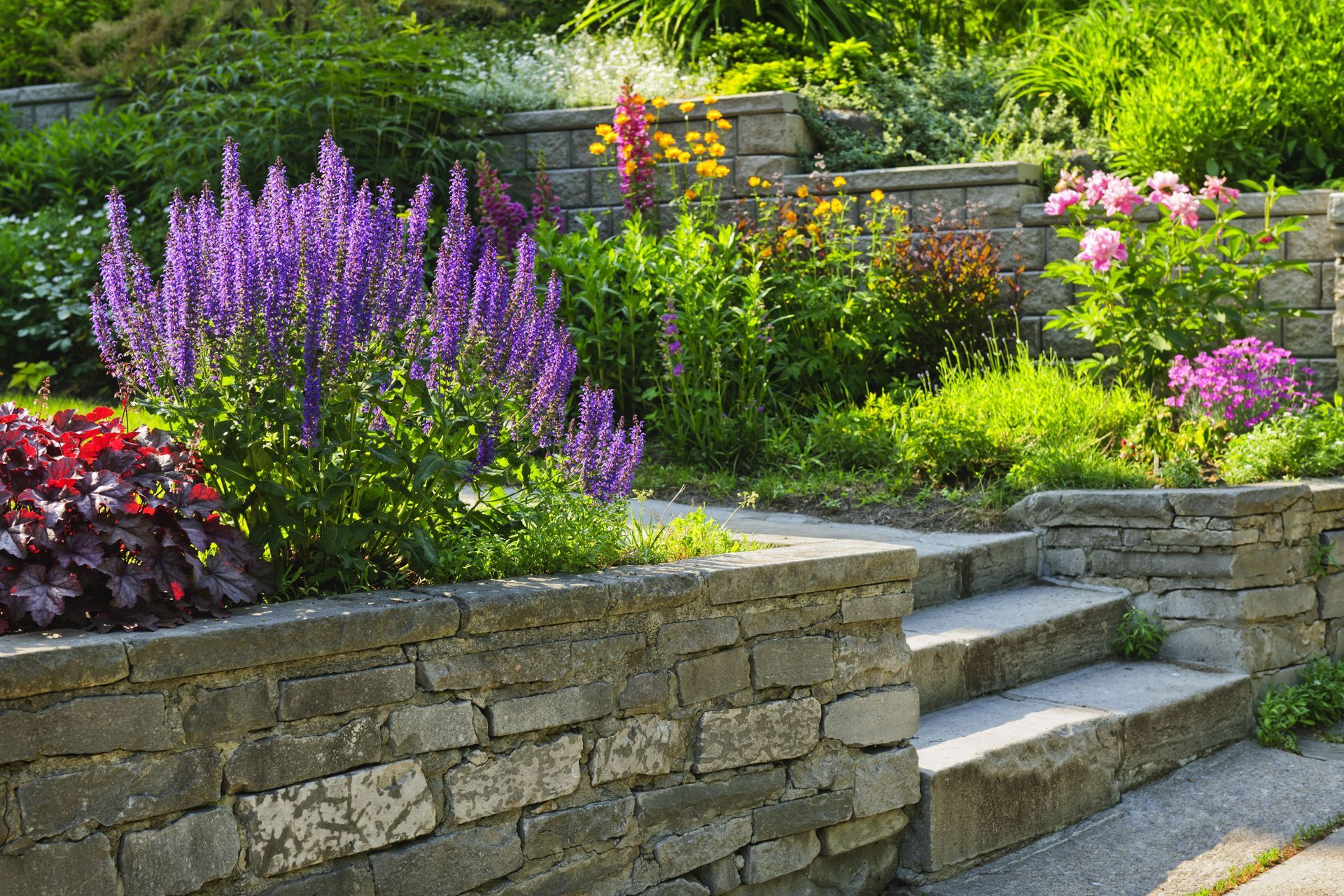
Understanding these differences helps property owners choose the right materials for lawns, planting beds, retaining wall projects, and other landscape installations.
Choose Quality Landscape Materials
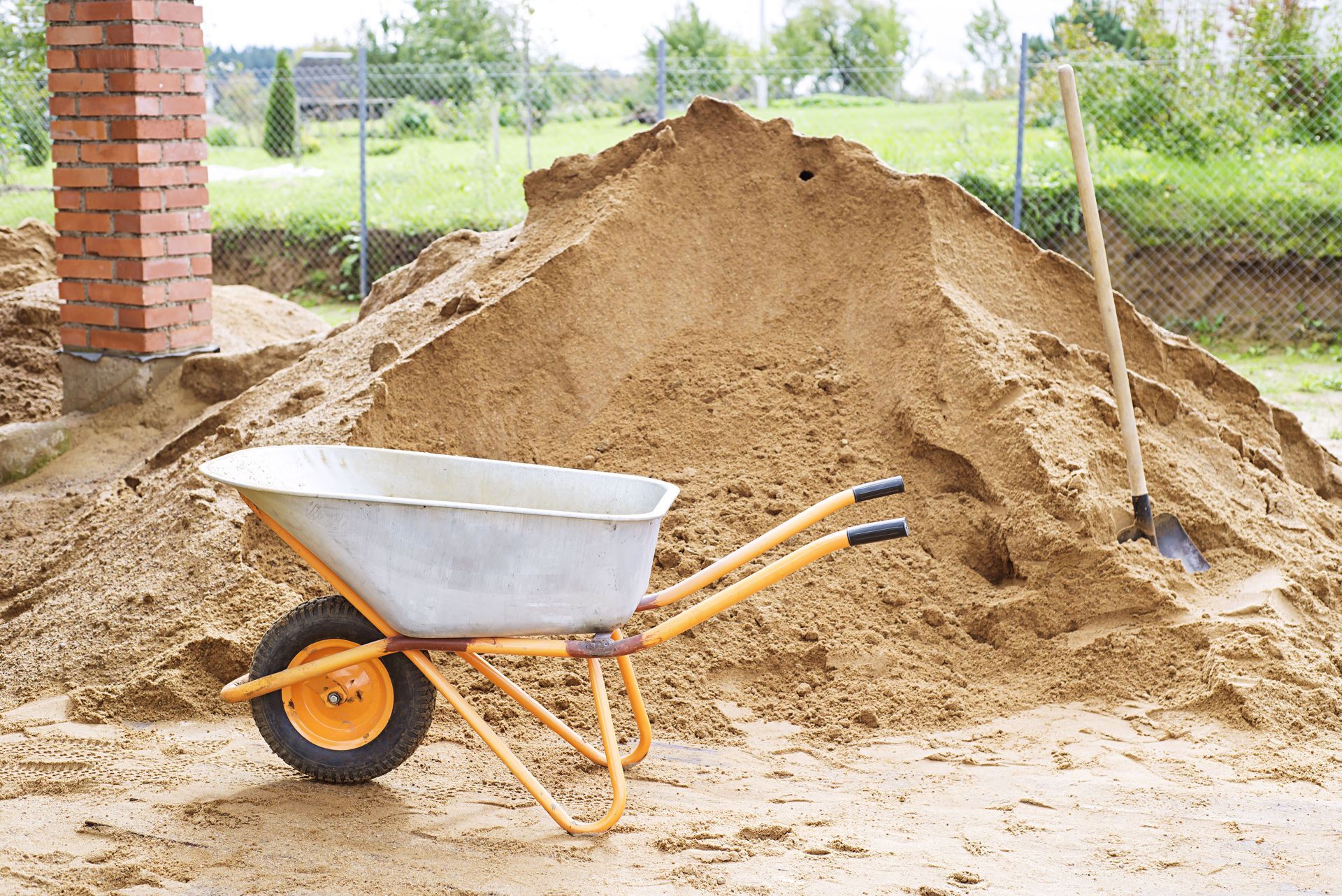
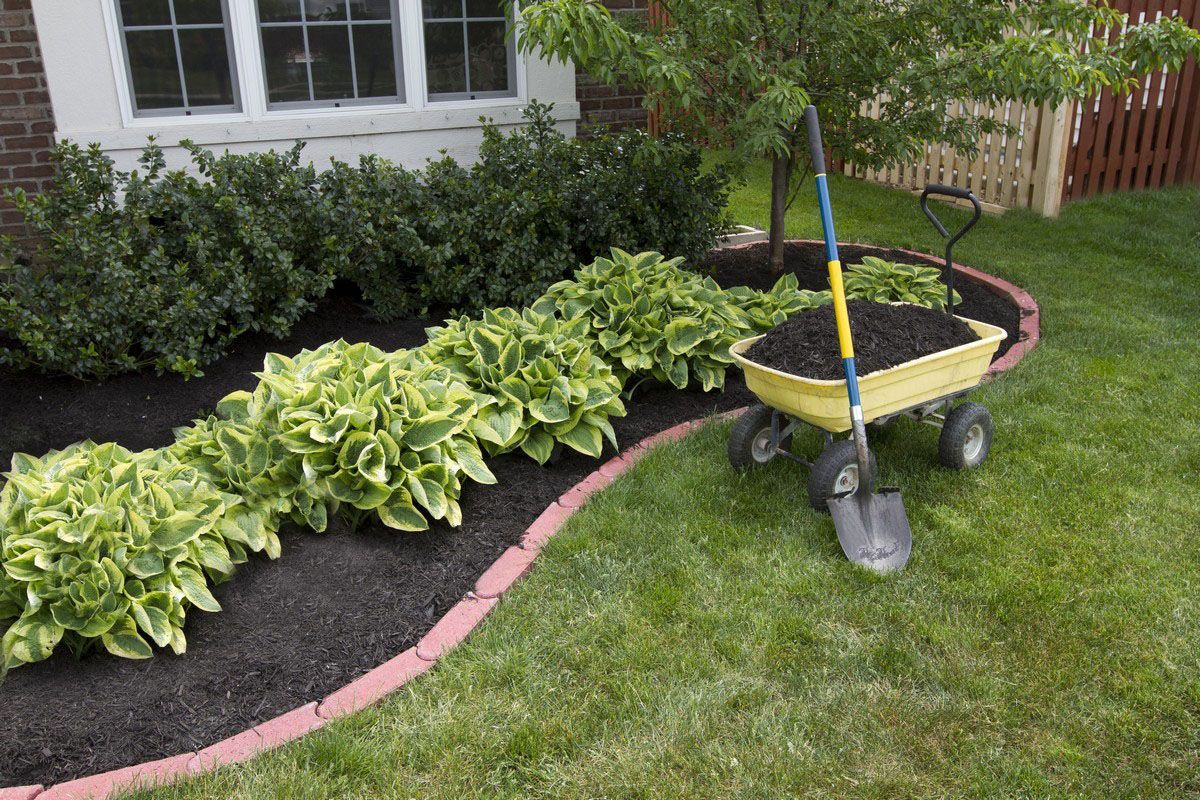
Selecting quality landscape products contributes significantly to project success. Materials such as mulch, sand, gravel, decorative rock, natural stone, flagstone, retaining wall products, and landscape accessories each serve unique purposes within outdoor spaces.
Using quality top soil alongside complementary landscape materials helps create attractive, functional, and sustainable environments. Proper material selection supports drainage, aesthetics, plant health, and long-term performance.
When planning a landscape project, working with knowledgeable suppliers can help ensure materials align with project goals and site conditions.
Healthy landscapes begin below the surface. Understanding soil composition, nutrient availability, water retention, and ecosystem support helps property owners make informed decisions about their outdoor spaces. Quality top soil contributes to stronger plants, healthier lawns, improved drainage, and long-term landscape performance.
At Herman's Landscape Supplies, we offer landscape materials including decorative rock, boulders, natural stone, mulch, sand, gravel, top soil products, pavers, retaining wall materials, landscape accessories, and material delivery services. Contact us today to learn how we can help support your next landscape project with quality products and dependable service.
Share On: