
Choosing the Right Soil, Top soil, and Mulch for Smarter Water Retention
Water conservation has become increasingly critical as drought conditions, water restrictions, and environmental concerns affect landscapes nationwide, requiring homeowners to maximize irrigation efficiency through strategic soil and mulch selection. Many property owners struggle with dry, thirsty landscapes that demand constant watering despite their efforts, not realizing that underlying soil quality and surface treatments dramatically affect moisture retention and plant health. Understanding how different soil types, amendments, and mulches influence water retention helps you create sustainable landscapes requiring less irrigation while supporting healthier plant growth. The difference between landscapes that thrive with minimal watering and those demanding constant irrigation often comes down to whether soils and mulches effectively capture and hold moisture or allow rapid drainage and evaporation, wasting precious water. Learning what products and techniques optimize water retention empowers you to create beautiful, sustainable landscapes that perform well during dry periods while reducing water consumption, lowering utility costs, and supporting environmental responsibility through efficient resource use.
Understanding Soil Texture and Water-Holding Capacity
According to Zipdo, water-efficient landscaping solutions are used in around 30% of residential landscape projects. Sandy soils drain quickly but hold little moisture, while clay retains water but drains poorly, and quality top soil provides the balanced texture that holds adequate moisture while allowing proper drainage, preventing waterlogging. This texture balance proves critical for plant health, as roots need both moisture access and oxygen that waterlogged soils exclude through poor drainage. The particle size distribution in premium soils creates pore spaces that hold water while also allowing air circulation and excess water drainage that pure sand or clay cannot provide. Understanding your native soil texture and amending it appropriately with quality products creates the foundation for water-efficient landscapes that retain adequate moisture without the extremes that pure sand or clay present.
Incorporating Organic Matter for Improved Retention
Organic matter, including compost, aged manure, and decomposed plant materials, dramatically improves water retention in all soil types by creating sponge-like structures that absorb and hold moisture. This organic content also improves soil structure, creating the aggregation that provides both water-holding capacity and drainage through the complex pore structures that organic matter creates as it decomposes. The gradual breakdown of organic materials releases nutrients while continuing to improve soil texture and water-holding capacity over extended periods. Quality top soil products containing substantial organic matter provide immediate water retention benefits while supporting long-term soil health through the continued decomposition and nutrient release that organic components provide throughout growing seasons.
Selecting Appropriate Mulch Types
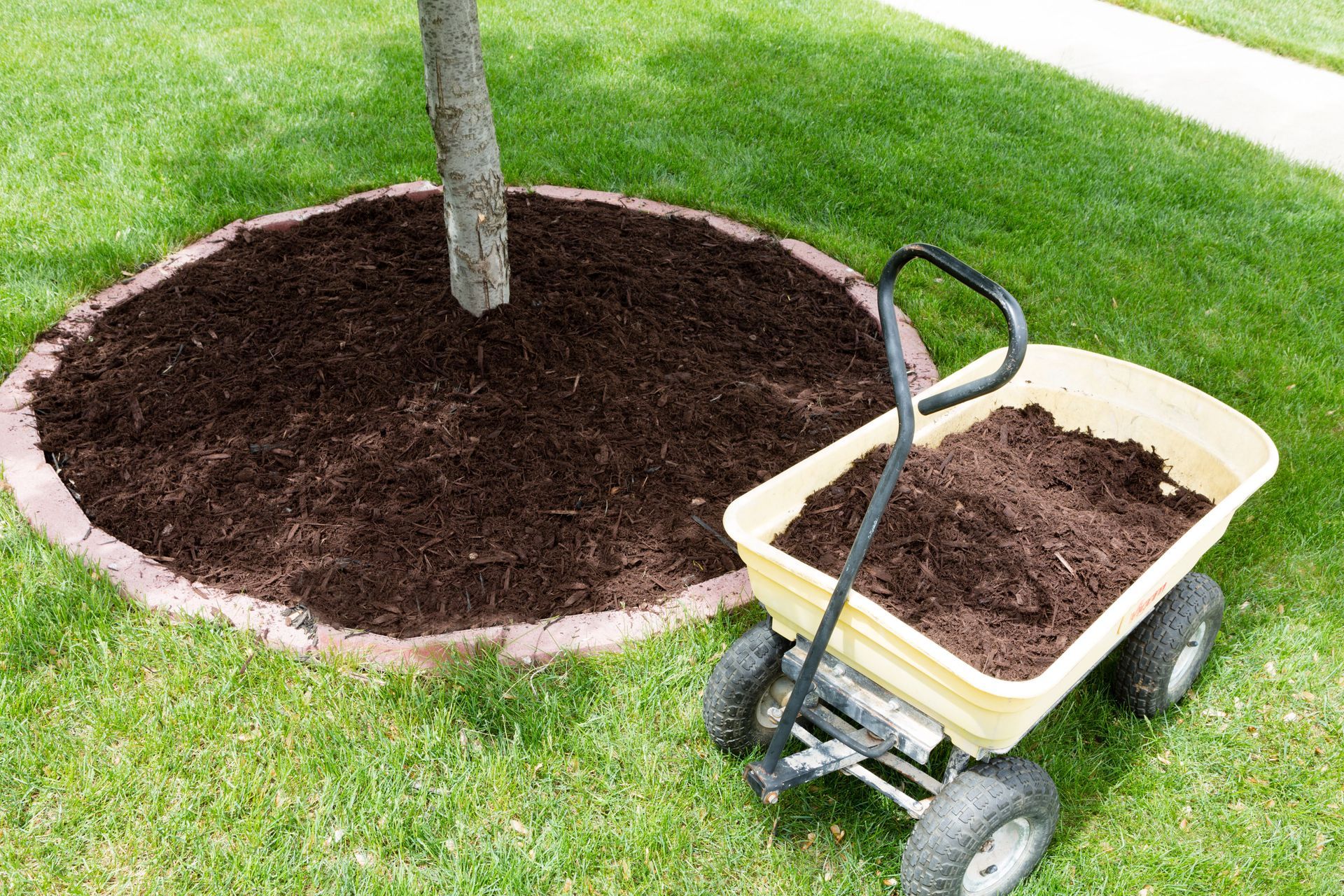
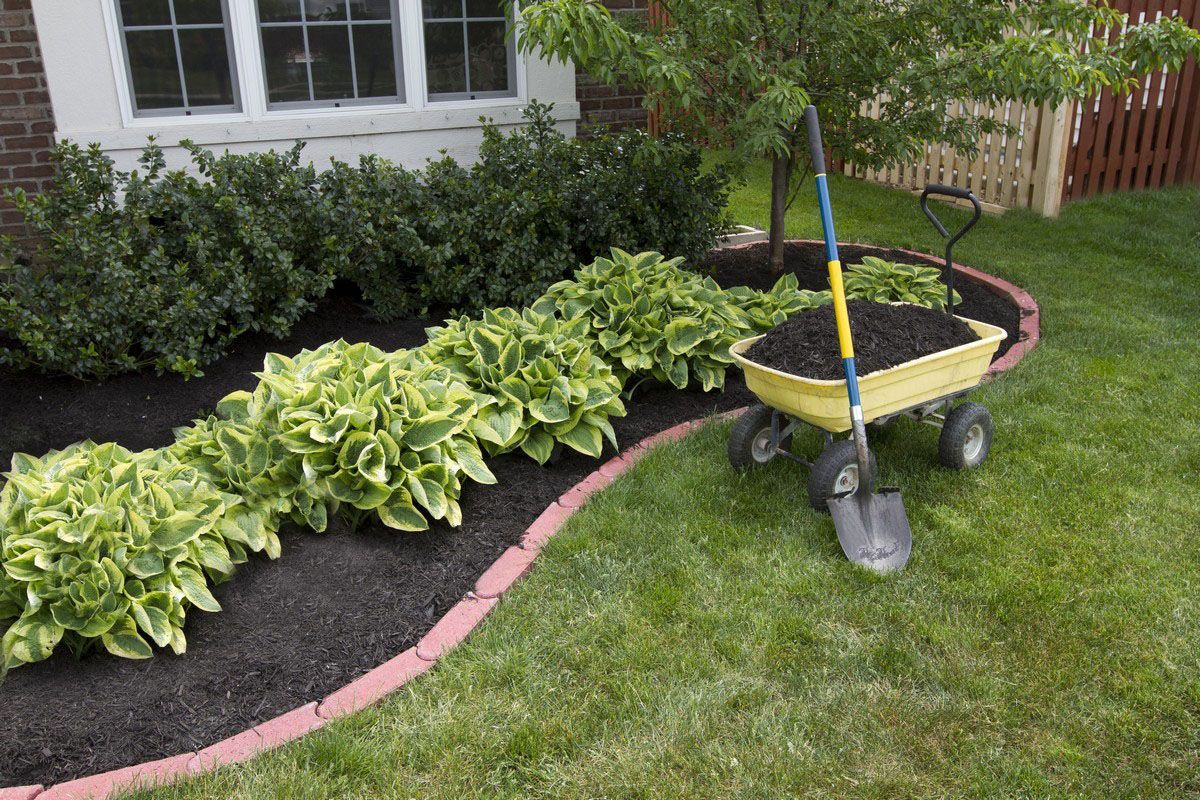
Organic mulches, including wood chips, shredded bark, and compost, conserve moisture by reducing evaporation from soil surfaces while gradually decomposing to improve underlying soil quality over time. Inorganic options like rock or rubber provide permanent coverage that never requires replacement, but don't improve soil quality or add organic matter, as organic mulches contribute. The mulch thickness, particle size, and material all affect water retention, with 2-4 inches of organic mulch typically providing optimal moisture conservation without creating problems. Using premium top soil beneath quality mulch creates layered systems that maximize water retention through improved soil structure below and reduced evaporation above, working together to conserve moisture more effectively than either approach alone could achieve.
Matching Products to Plant Requirements
Different plants require varying moisture levels, and grouping plants with similar water needs allows targeted soil and mulch selection that optimizes retention for specific requirements. Drought-tolerant native plants thrive in well-draining soils with minimal organic matter, while moisture-loving species need water-retentive soils with substantial organic content, maintaining consistent moisture. This hydrozoning approach creates efficient landscapes where soil amendments and mulch support plant needs without wasting water on drought-tolerant species or stressing moisture-dependent plants through inadequate retention. Consulting with knowledgeable suppliers about which soil blends suit specific plants helps you match products to plantings, creating optimal growing conditions while maximizing water efficiency through appropriate product selection for your landscape's specific plant palette and moisture requirements.
Improving Clay Soils for Better Performance
Heavy clay soils benefit from amendments, including coarse sand, compost, and gypsum, that improve drainage while maintaining adequate water-holding capacity rather than the waterlogging that pure clay creates. These amendments break up dense clay structures, creating larger pore spaces that drain excess water while still retaining adequate moisture for plant roots. The improved structure that amendments provide also allows better root penetration and air circulation, which dense clay restricts despite holding substantial moisture. Blending quality top soil with existing clay or applying it as topdressing provides the texture improvement that transforms heavy clay from a problematic growing medium into productive soil that retains moisture without the poor drainage and compaction that unamended clay presents.
Enhancing Sandy Soils for Moisture Retention
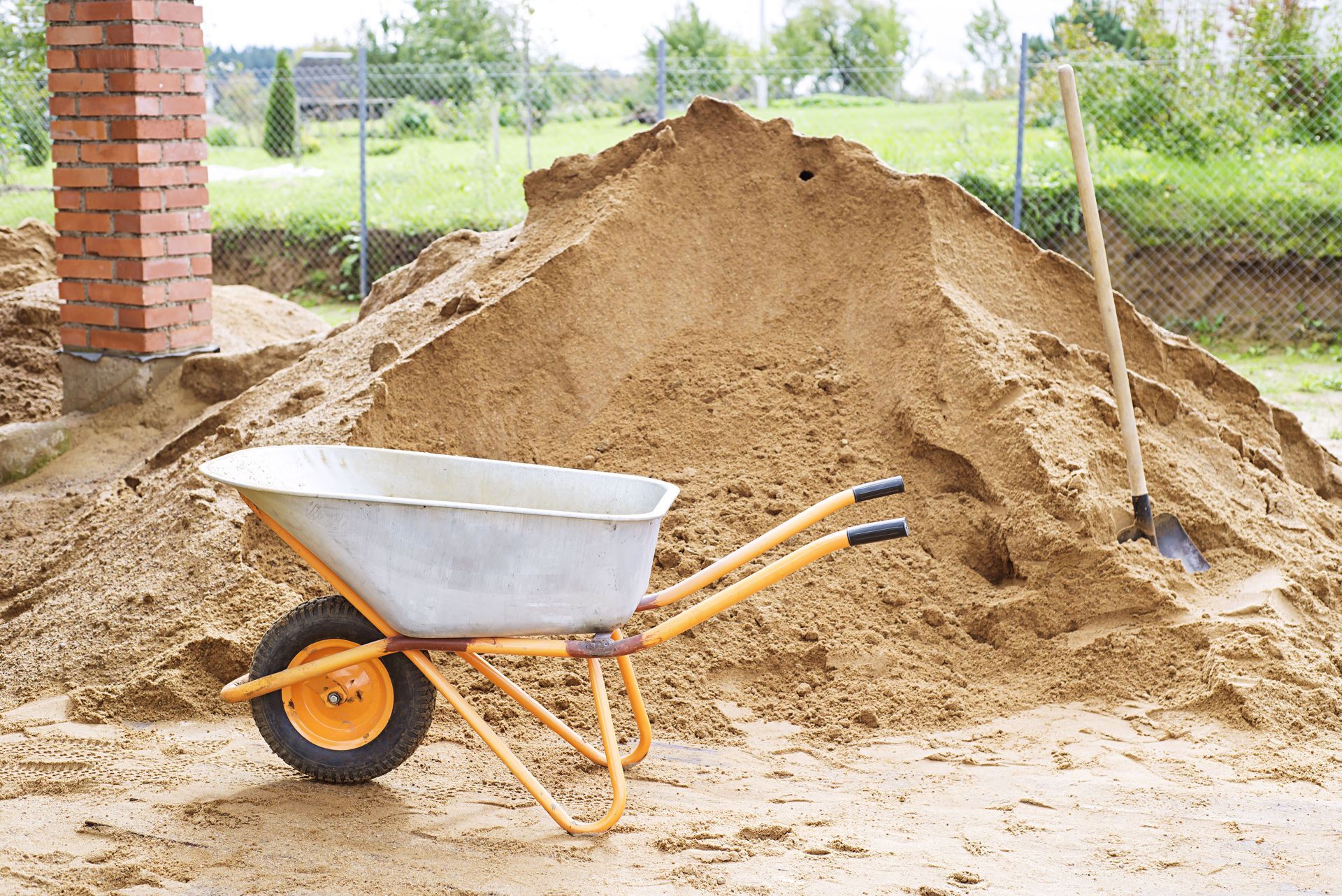
Sandy soils require substantial organic matter additions that provide the water-holding capacity that pure sand lacks through its large particles and rapid drainage. Compost, peat moss, and aged manure all improve sandy soil moisture retention while adding nutrients that infertile sand typically lacks despite its excellent drainage characteristics. The organic additions create medium-sized pores that hold moisture while maintaining the drainage that sand naturally provides, creating a balanced growing medium from originally water-deficient material. Incorporating organic-rich top soil into sandy areas or using it as a planting medium provides immediate water retention improvement that pure sand cannot offer, creating growing conditions that support diverse plantings rather than just drought-tolerant species that sandy soils naturally favor.
Applying Proper Mulch Depth
Mulch thickness affects water retention, with 2-4 inches typically providing optimal moisture conservation without creating problems, including excessive moisture retention, pest habitat, or plant stem rot. Insufficient mulch allows rapid evaporation, defeating conservation purposes, while excessive depth creates overly moist conditions, promoting disease and preventing water penetration to the underlying soil. The proper depth varies slightly by mulch type, with fine-textured materials requiring less thickness than coarse chips to provide equivalent coverage and moisture conservation. Using appropriate top soil depth beneath correctly applied mulch creates ideal moisture conditions, with soil providing root-zone retention and mulch reducing surface evaporation, working together to conserve water more effectively than improper depths of either material could achieve independently.
Timing Soil and Mulch Application
Fall installation allows materials to settle and begin improving soil before spring planting, while spring application provides immediate benefits for the current growing season, though materials haven't fully integrated. Applying mulch after the soil warms prevents the cooling effect that early mulching creates, delaying spring growth in some climates where soil temperature affects plant development. The moisture conditions during installation affect how quickly amendments integrate and how effectively mulch performs its water conservation function during critical establishment periods. Working with experienced suppliers about optimal timing for your specific climate and landscape needs ensures top soil and mulch applications occur when they'll provide maximum benefit rather than creating problems through inappropriate timing that reduces effectiveness or creates unintended consequences.
Understanding how soil quality and mulch application affect water retention helps property owners create sustainable landscapes that thrive with minimal irrigation while supporting environmental responsibility through reduced water consumption. The investment in quality products and proper application techniques pays dividends through lower water bills, healthier plants, and reduced maintenance demands that poor soil and inadequate mulching create through inefficient moisture retention. Making informed decisions about soil amendments and mulch selection ensures your landscape conserves water effectively while providing the beauty and functionality that proper plant health delivers through optimal growing conditions. Whether you need custom rock features, decorative rock and boulders, dirt, sand, gravel, and mulch, flagstone and steppers, landscape accessories, natural stone and boulder steps, natural wall stone and edgers, or pavers and retaining walls, Herman's Landscape Supplies provides free quotes, offers competitive pricing, and brings over 35 years in business. For more information, contact us today!
Share On: