
What are Riprap Rocks and How Do They Function for Landscaping?
In the realm of landscape rocks, riprap rocks serve a vital role in environmental management and aesthetic enhancements. The strategic use and placement of riprap rocks can significantly impact the effectiveness of their role in landscaping. This article delves into the multifaceted uses, benefits, and installation practices of riprap rocks in landscaping projects.
Understanding Riprap Rocks
Definition and Characteristics
Riprap rocks, also known as rock armor, rubble, or shot rock, are naturally occurring stones or artificially produced materials used in landscaping and construction. They range in size and shape, offering uniqueness to each landscape project they are employed in. These rocks are typically larger than regular landscape rocks, providing substantial weight and sturdiness essential for supporting various functions. According to Bob Vila, riprap rocks typically range in size from two to 24 inches. Their unique characteristics make them particularly effective for erosion control and structural support within landscapes.
The essential properties and characteristics of riprap include their weight, durability, and angular shape. The hardness of these rocks helps in resisting harsh weather conditions, while their angular edges allow them to interlock firmly with one another. This interlocking nature provides additional stability and erosion control, making riprap a reliable choice for many applications. When selecting riprap, it is crucial to consider the specific needs of the project, such as the site conditions and intended functional uses. The choice of materials and characteristics will heavily influence the success of the project.
Riprap is incredibly versatile and employed in a variety of landscaping projects owing to its characteristics. While durability and weight are critical features, aesthetics, color, and texture are equally important for creating visually appealing landscapes. The color and texture variations within riprap can complement other landscape elements, contributing to an integrated and cohesive design. By understanding the definition and characteristics of riprap, landscapers can make informed decisions about the type of rock suitable for their specific needs. This foundational knowledge empowers designers to optimize both the functionality and visual appeal of outdoor spaces using riprap.
Types of Riprap Rocks
Riprap rocks come in various types that cater to different landscaping needs and preferences. The most common types include granite, limestone, and sandstone riprap, each offering distinct advantages. Granite is highly durable and resistant to weathering, making it ideal for long-term projects with high exposure to natural forces. Limestone riprap is often valued for its neutral coloring, which blends well with various landscape designs. Meanwhile, sandstone, although less durable, is favored for its warm, appealing tones and ease of shaping.
The distinctions in material type not only affect the aesthetics but also the functionality of riprap in landscaping projects. For instance, granite's density provides exceptional resistance to erosion, making it suitable for areas with high water flow or strong wave action. Limestone, being slightly more porous, is often used in less intensively stressed environments where aesthetic value and cost are major considerations. The choice between these types largely depends on the specific environmental conditions and design objectives of a project. Understanding these distinctions is crucial for achieving the desired balance between functionality and design.
Sizes and Grading Criteria
The size and grading of riprap are crucial for ensuring its effectiveness in landscape applications. The size of the rocks within a riprap installation can range significantly, commonly from two to 24 inches, according to Bob Vila. These varying sizes are strategically chosen based on their intended use, with larger stones suited for high-impact applications such as coastal protection. Smaller stones might be employed where less structural load is required, allowing for greater flexibility in design. Grading criteria are used to classify riprap by size and weight, ensuring uniformity and stability in application.
Grading criteria serve as a benchmark for selecting the right size and type of riprap for specific projects. Consistent sizing is critical for maintaining the structural integrity of a riprap installation, as it ensures the stones interlock effectively. The choice of grade depends on several factors, including the project's purpose, environmental conditions, and desired aesthetic outcomes. By adhering to strict grading standards, landscapers can optimize the balance between aesthetic appeal and structural function. Properly graded riprap not only enhances erosion control and stability but also contributes to a harmonious and attractive landscape design.
Understanding the Functional Uses of Riprap in Landscaping
Erosion Control Measures
Erosion control is one of the principal functional uses of riprap in landscaping. By placing large stones along the edges of a landscape, riprap effectively prevents soil from being carried away by wind and water. This technique is particularly useful in areas prone to erosion, such as riverbanks, hillsides, and coastal properties. The weight and interlocking nature of riprap rocks ensure that they stay in place under harsh environmental conditions, thereby maintaining the integrity of the landscape. In addition to protecting soil, riprap stabilizes slopes and supports vegetation, which further mitigates erosion.
The application of riprap for erosion control requires careful planning and installation to optimize its effectiveness. Selecting the right size and type of rocks is crucial to withstand local weather conditions and potential water flow. Often, a filter layer of smaller rocks or fabric is laid beneath the riprap to enhance filtration and prevent soil particulate loss. This layered approach ensures that surface water can pass through while maintaining soil integrity underneath. Properly installed riprap not only controls erosion but also enhances the durability of landscapes, reducing the need for costly repairs and maintenance.
Water Management Solutions
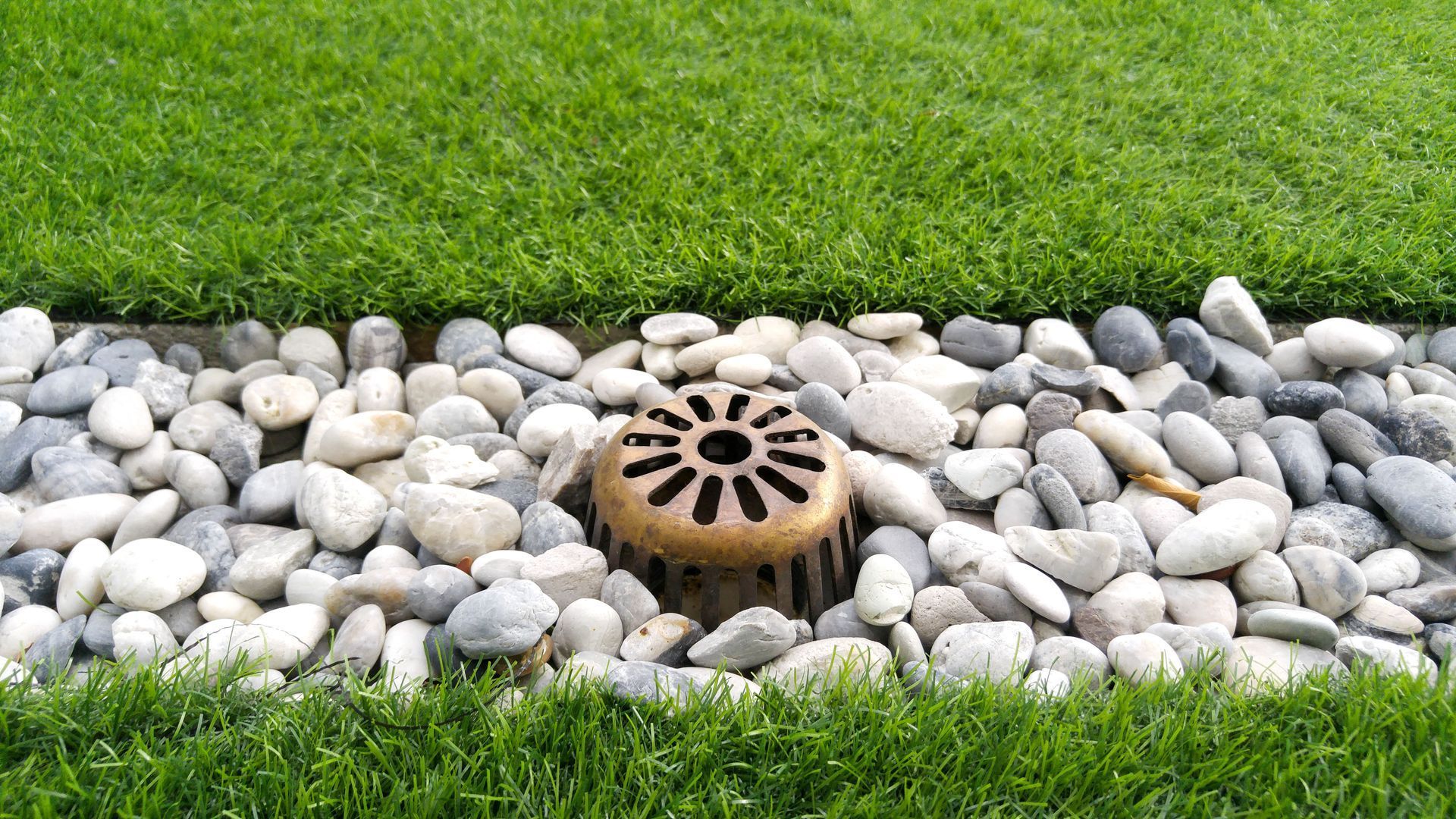
Riprap is an effective tool for water management in landscaping, addressing issues such as runoff, drainage, and flood prevention. By strategically placing riprap in swales, drainage ditches, and around water bodies, landscapers can manage and direct water flow. This technique helps prevent flooding and water pooling, ensuring that landscapes remain both functional and visually appealing. Riprap acts as a buffer and slows down water movement, reducing the risk of erosion and sediment displacement. Its application ensures that water is managed efficiently, protecting both the environment and built structures.
The role of riprap in water management extends to creating and maintaining natural and artificial waterways. When used along the edges of ponds, lakes, and rivers, riprap stabilizes banks and enhances aquatic habitat quality. The integration of riprap into these water features not only aids in structural stability but also supports enhanced biodiversity. Plants and wildlife often thrive in these habitats, creating balanced ecosystems that contribute to the landscape's overall health and beauty. Strategic water management using riprap transforms potential problem areas into functional, attractive components of the landscape.
Structural Support and Stability
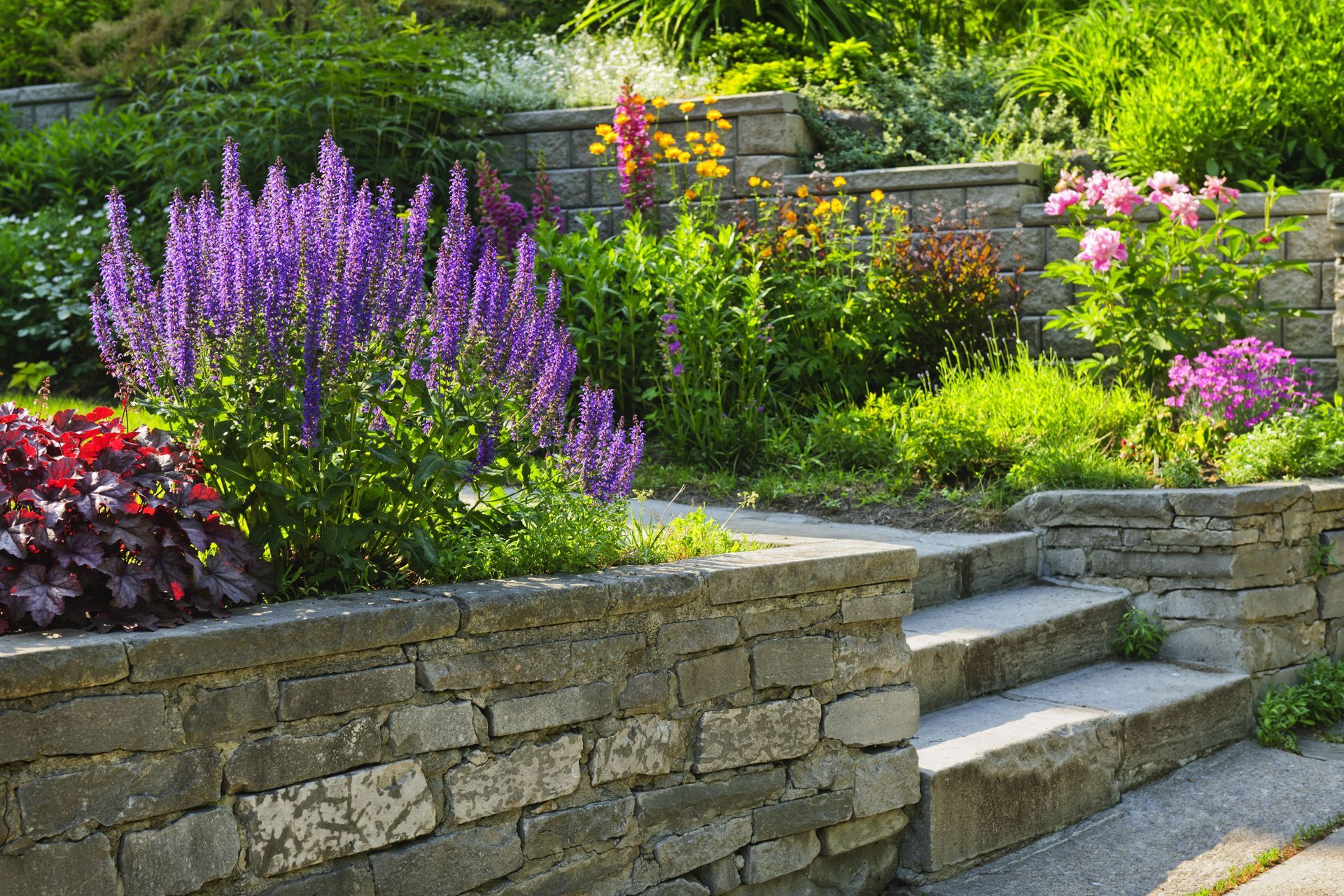
Riprap rocks offer unparalleled structural support and stability in landscape architecture. Their robust nature makes them an ideal choice for constructing retaining walls and supporting steep slopes. By carefully selecting and placing these rocks, builders can create solid, enduring structures that withstand environmental pressures. This capability is particularly valuable in areas prone to landslides or soil movement, where maintaining slope integrity is essential. Riprap, when used for structural support, combines strength and natural aesthetics, creating functional features that blend seamlessly into the landscape.
In addition to retaining walls, riprap is often used to stabilize infrastructure, such as bridges, culverts, and roads. By reinforcing the foundation of these structures, riprap protects against erosion and environmental degradation, ensuring their durability. Its application in infrastructure helps to prevent the costly and frequent repairs often associated with water and weather damage. The strategic use of riprap in structural support projects can extend the life of infrastructure while maintaining environmental harmony. Selecting appropriate rock size and grading is critical, as proper interlocking allows riprap to efficiently distribute force and prevent dislodgment.
Riprap rocks play an essential role in both the functionality and visual appeal of modern landscaping. From controlling erosion and managing water flow to providing structural support, their durability and versatility make them a valuable solution for a wide range of outdoor projects. By carefully selecting the appropriate type, size, and grading, landscapers can ensure long-lasting performance while enhancing the natural beauty of the environment. Contact Herman's Landscape Supplies for your landscape rocks today.
Share On: