
Choosing the Right Landscaping Materials for Your Project: From Mulch to Decorative Rock
Embarking on a landscape transformation requires more than just a green thumb; it demands a strategic understanding of the materials that form the foundation of your outdoor aesthetic. Selecting the right components, ranging from organic ground covers to permanent stone fixtures, is a balancing act between visual appeal, environmental health, and long-term maintenance. Whether you are aiming to create a lush, moisture-retentive garden bed or a stark, modern xeriscape, the materials you choose will dictate the microclimate of your yard and the longevity of your plants. This guide focuses on the critical decision-making process involved in sourcing top-tier elements for your property. By understanding the functional benefits of various aggregates and organic layers, you can design a space that not only looks professional but also serves as a sustainable extension of your home.
Identifying Project Goals And Scope
Before purchasing a single bag of soil or a pallet of stone, you must define the primary purpose of your renovated space. Are you looking to suppress aggressive weeds in a vegetable garden, or are you creating a low-maintenance border along a driveway using decorative rock? Establishing a clear vision allows you to narrow down material choices based on their specific utility and longevity. According to the National Association of Landscape Professionals, a well-thought-out landscape can lower energy consumption by up to 25%. This efficiency is often achieved through the strategic placement of materials that provide insulation to the soil or shade to the foundation of the home.
Evaluating Mulch Varieties For Health
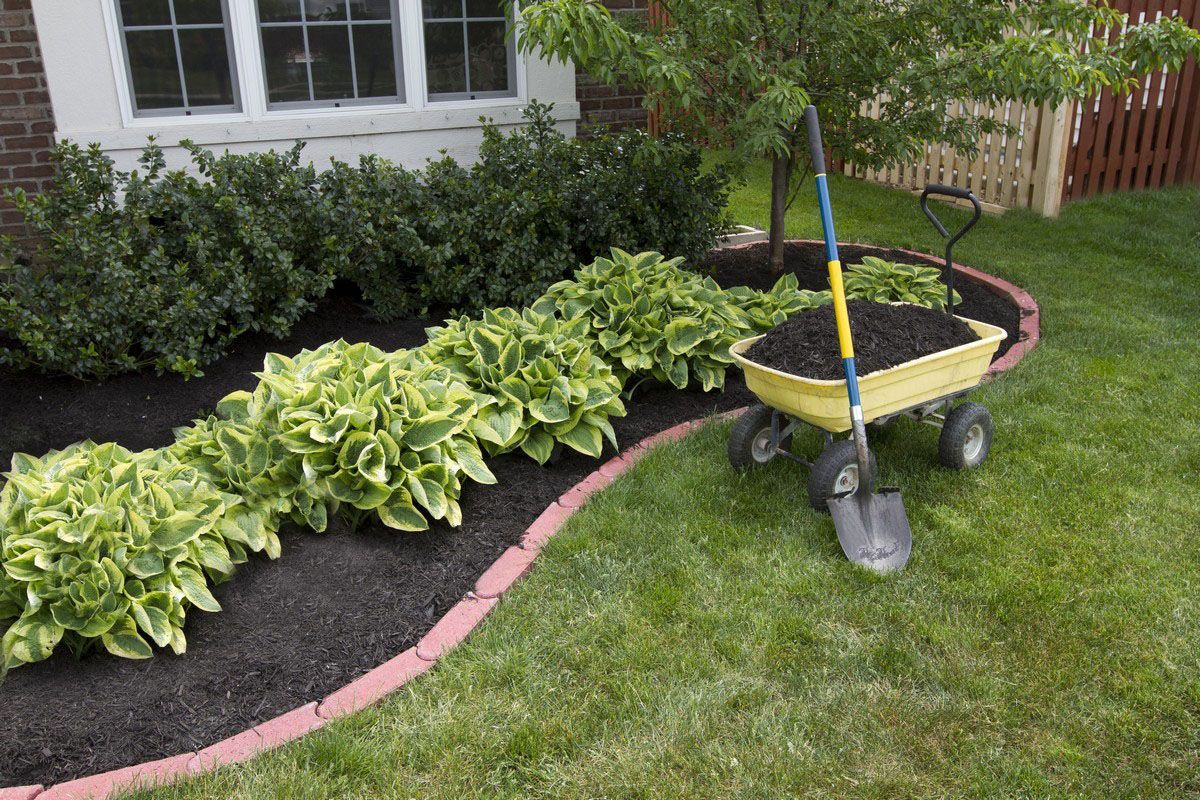
Organic mulch serves as a vital tool for moisture retention and soil enrichment, making it a favorite for traditional flower beds and perennial gardens. As wood chips or bark decompose, they return essential nutrients to the earth, fostering a healthy ecosystem for earthworms and beneficial microbes. However, organic materials require annual replenishment to maintain their depth and color, which adds a recurring task to your seasonal maintenance schedule. For areas where you want a more permanent solution that does not break down, you might consider transitioning to decorative rock for its structural stability and unchanging appearance. Choosing between these options depends on your commitment to gardening.
Selecting Stone For Aesthetic Impact
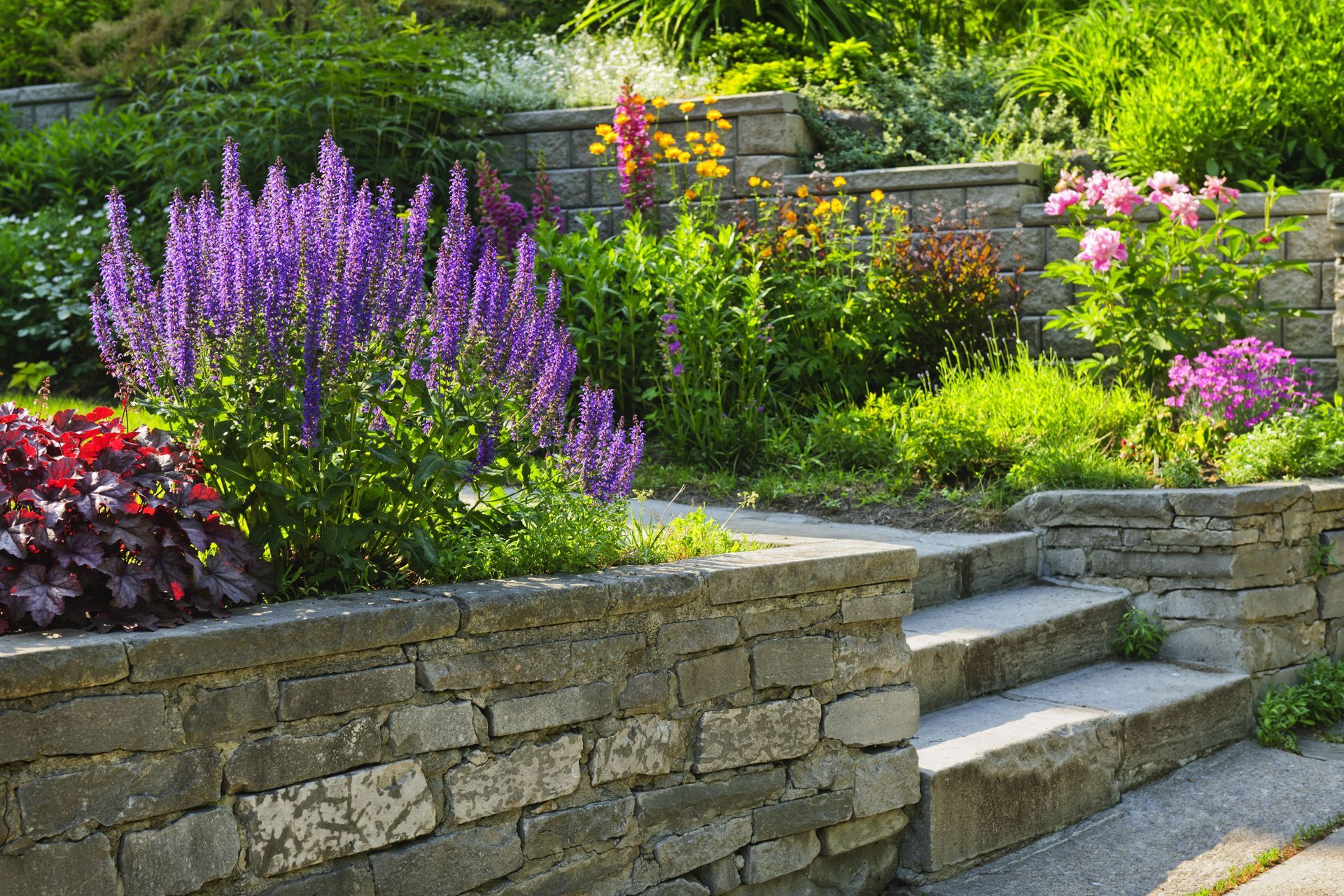
When permanence and texture are the priorities, stone becomes the superior choice for defining the architectural lines of your outdoor environment. Utilizing decorative rock allows for a vast array of color palettes, from the cool greys of river stone to the warm, earthy tones of crushed lava. Unlike mulch, stone does not wash away during heavy rainstorms, nor does it attract wood-destroying insects like termites. This makes it an ideal material for areas adjacent to the house foundation or in high-wind zones where lighter materials might scatter. The initial cost is higher, but the durability pays for itself over many years of use.
Understanding Drainage And Grading Needs
Effective water management is the invisible backbone of any successful landscaping project, ensuring that runoff does not damage your home’s structural integrity. When you are installing heavy layers of decorative rock, you must ensure the underlying ground is sloped correctly to direct water away from the basement walls. Using permeable weed barriers beneath your stone helps prevent the aggregate from sinking into the mud while allowing water to filter slowly into the groundwater table. This prevents the "puddling" effect that can drown delicate plant roots. Proper grading combined with the right stones creates a drainage system that is as functional as it is beautiful.
Analyzing Color Schemes And Patterns
The visual harmony of your yard is largely determined by how the colors of your ground cover interact with your home’s siding and trim. Many homeowners opt for dark wood mulches to make bright green foliage pop, while others prefer the sophisticated contrast of white decorative rock against a modern, dark-painted exterior. It is wise to view samples of these materials in natural sunlight before committing to a large delivery, as shades can shift dramatically depending on the time of day. Consistency in your color choices creates a professional, curated look that ties various sections of the garden into a singular, cohesive design theme for all to see.
Comparing Costs And Long-term Value
While budget is always a factor, the cheapest option in the short term often becomes the most expensive over a decade of ownership. Standard bark mulch is inexpensive upfront but requires a new purchase and labor every spring to keep it looking fresh and effective. In contrast, investing in a high-quality decorative rock may require a larger initial outlay, but it eliminates the need for yearly replacement. When calculating your project’s total cost, factor in the time and money saved on maintenance over the next five to ten years. A well-balanced mix of both materials often provides the best financial and aesthetic outcome for most.
Measuring Quantities For Accurate Delivery
Calculating the exact volume of material needed is a critical step that prevents the frustration of running short or having a massive pile of leftovers. Most landscaping supplies are sold by the cubic yard, requiring you to multiply the square footage of your area by the desired depth of the coverage. For most applications, a depth of three inches is sufficient to suppress weeds and retain moisture without smothering plant crowns. Whether you are ordering bulk soil or several tons of stone, double-checking your math ensures a smooth installation process. Accurate measurements also help you stay within your budget while ensuring full coverage across the entire site.
Installing Weed Barriers Correctly
The longevity of a stone-heavy landscape depends heavily on the quality of the fabric used underneath the aggregate layers. A high-quality geotextile prevents soil from mixing with your stone, which keeps the surface looking clean and prevents weed seeds from taking root in the dirt below. When laying out the fabric, ensure you overlap the seams by at least six inches to prevent gaps where stubborn grass can push through. Secure the edges with landscape staples before pouring your stone to keep the barrier in place. This foundational step is non-negotiable if you want your stone borders to remain maintenance-free for many years.
Considering Local Climate Extremes
Your local weather patterns should heavily influence whether you lean toward organic or inorganic ground covers for your specific region. In extremely hot, arid climates, organic mulch can dry out and even become a fire hazard, making stone a much safer and more practical choice. Conversely, in very cold regions, mulch provides a necessary insulating blanket that protects plant roots from the "freeze-thaw" cycles that can heave them out of the ground. Understanding these environmental stresses allows you to choose materials that support the life of your plants rather than hindering them. Tailoring your selection to the local climate ensures a resilient and thriving outdoor space.
Incorporating Edging For Clean Lines
The transition between a lawn and a garden bed needs a physical boundary to prevent grass from encroaching and materials from spilling over. Using metal, plastic, or stone edging creates a crisp, professional border that defines the different "rooms" of your landscape. For beds filled with small stones, a sturdy edge is essential to keep the aggregate from being flung by lawnmowers or foot traffic. Edging also makes it easier to use a string trimmer without damaging the base of your plants or scattering your mulch. This structural element provides the finishing touch that distinguishes a DIY project from a professionally designed estate.
The journey of choosing landscaping materials is a rewarding process that allows you to sculpt the environment surrounding your home into a personal sanctuary. By carefully weighing the benefits of mulch against the permanence of stone, you can create a functional space that balances beauty with practicality. The decisions you make regarding drainage, color, and insulation will have a lasting impact on your property’s value and your local ecosystem. A successful landscape is a living investment that grows and changes over time, reflecting the care and thought you put into its creation. By following a structured approach to selection and installation, you ensure that your backyard remains a source of pride and relaxation for many years to come. Are you seeking landscape materials such as decorative rock in the Jordan, MN area? Look no further than the professionals at Herman's Landscape Supplies, where you can get all your landscaping supplies today.
Share On: