
Gravel vs. Wood Mulch: Which Is Better for Your Long-Term Landscape?
Creating a beautiful outdoor space requires more than just picking out pretty plants and flowers. Homeowners must think about the base layer that will support their greenery and define the aesthetic of their property for years to come. Two of the most common choices for ground cover are gravel and wood mulch. Each offers unique benefits and distinct looks that can completely transform the feel of a backyard or garden bed. Deciding between the two involves looking at long-term goals, local climate conditions, and how much time one wants to spend on upkeep. Choosing the right lawn and garden supplies early in the process ensures that the landscape remains healthy and vibrant without unnecessary headaches down the road.
The Longevity of Wood Mulch
Wood mulch is a classic choice for many because of its organic look and ability to enrich the soil. As wood chips or shredded bark break down over time, they provide essential nutrients to the earth below. This natural decomposition process is excellent for plant health, but it means the material is not permanent. Because it eventually turns into soil, it must be replenished regularly to maintain its protective qualities and visual appeal. When sourcing lawn and garden supplies, many people appreciate the variety of colors and textures available in wood products, though they should be prepared for the darkening and fading that occurs with sun exposure.
The Durability of Gravel Surfaces
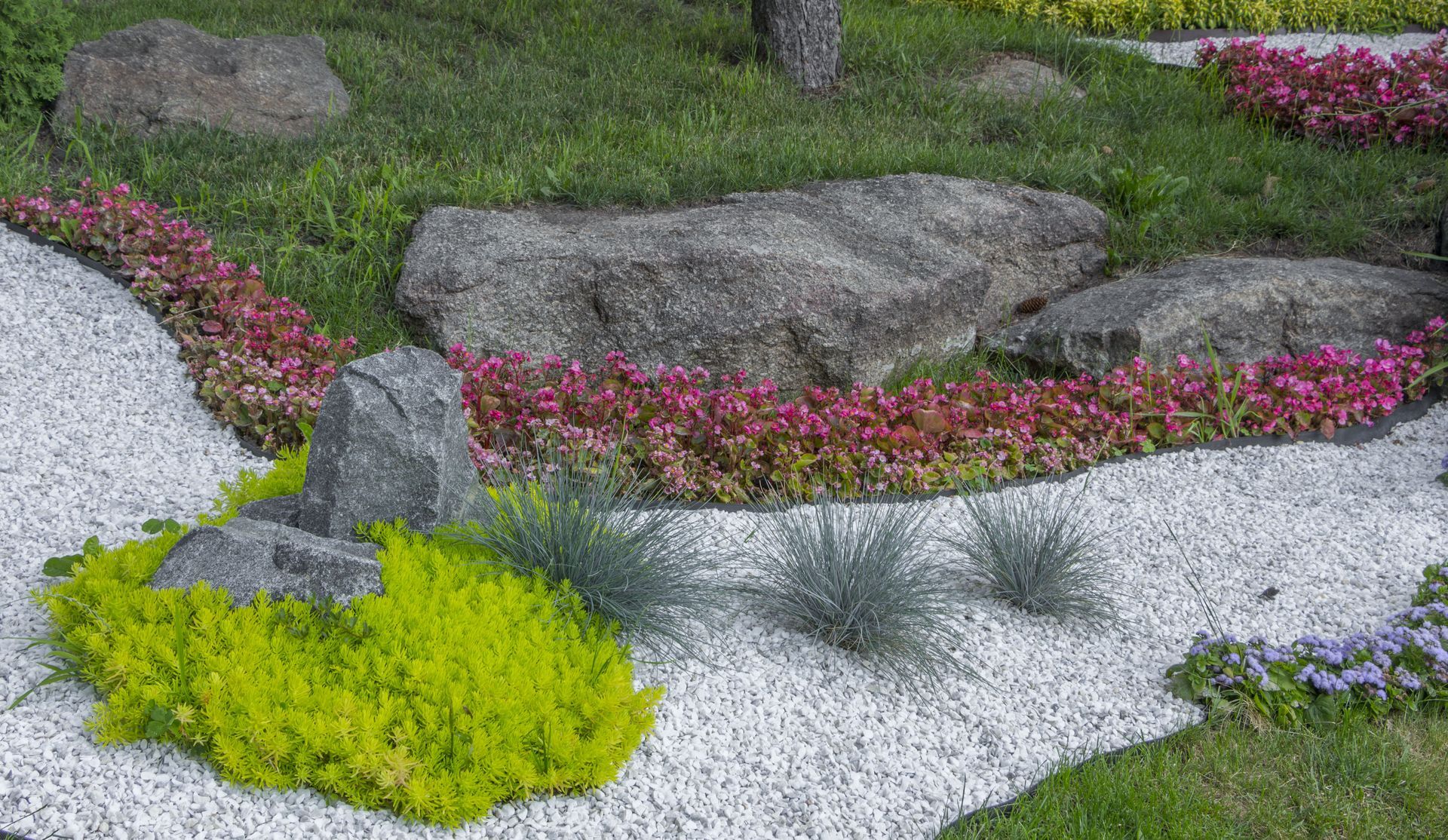
On the other end of the spectrum, gravel offers a level of permanence that wood simply cannot match. Stone does not rot, blow away easily in high winds, or lose its color over a single season. This makes it a sturdy option for areas that see heavy foot traffic or regions prone to intense weather. Selecting gravel from a provider of lawn and garden supplies means investing in a material that will look the same in five years as it does on the day it is installed. For those who want a set-it-and-forget-it approach to their garden borders and paths, stone provides a reliable and heavy-duty solution.
The Differences in Moisture Retention and Soil Health
One of the primary functional differences between these materials is how they interact with water. Wood mulch is exceptional at holding moisture in the soil, which can be a lifesaver for thirsty plants during a hot summer. It acts like a sponge, preventing evaporation and keeping roots cool. Gravel also helps with moisture retention by shading the soil, but it does not absorb water itself. Instead, it allows water to drain quickly through to the earth. Depending on the specific lawn and garden supplies used, gravel can be an ideal choice for succulent gardens or plants that prefer well-drained conditions and are prone to root rot in soggy environments.
The Difference in Weed Suppression Strategies
Preventing unwanted growth is a top priority for any managed outdoor space. Wood mulch suppresses weeds by creating a thick physical barrier that blocks sunlight from reaching weed seeds. However, as it breaks down, it can actually become a medium where new weeds find a place to grow. Gravel, when paired with a high-quality landscape fabric, provides a very effective barrier against growth. It is interesting to note that according to Today's Homeowner, gravel gardens need 80% less maintenance than typical gardens, largely because they do not provide the organic material that weeds crave. Finding the right lawn and garden supplies to serve as a base layer is key to achieving this level of efficiency.
The Aesthetic Versatility in Design
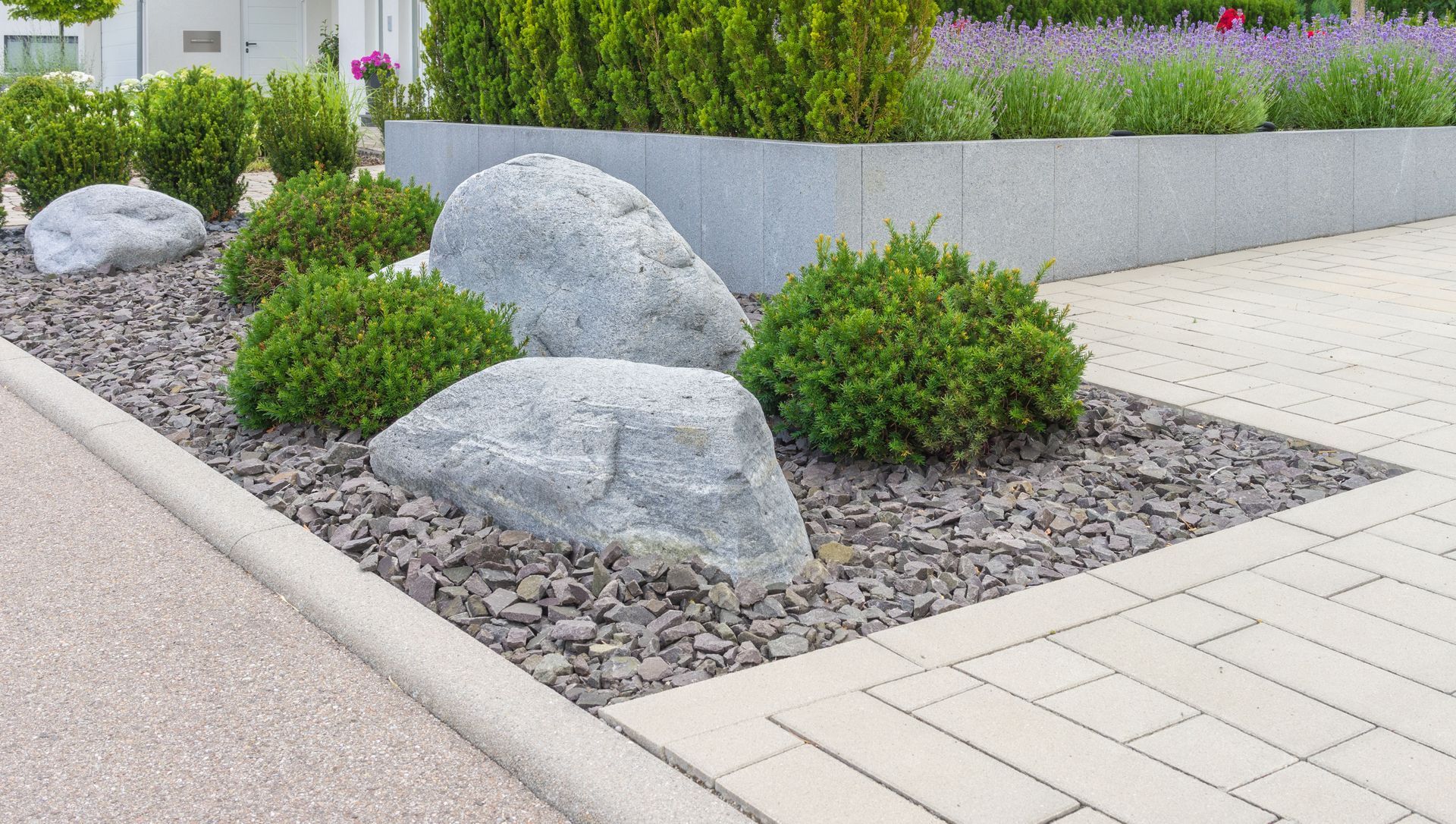
The visual impact of your ground cover defines the personality of your home. Wood mulch often lends a soft, natural, and traditional feel that blends seamlessly with wooded lots or cottage-style gardens. It creates a warm backdrop that makes green foliage pop. Gravel, however, offers a much wider range of design styles, from sleek modern minimalism to rugged Mediterranean vibes. The sheer variety of colors, from crisp whites to deep river reds, allows for precise customization. When browsing lawn and garden supplies, the choice of stone size and shape can dictate whether a space feels formal or relaxed, making it a highly versatile design tool.
The Difference in Temperature Regulation
Temperature control is a subtle but important factor in plant health. Wood mulch acts as a natural insulator, protecting roots from extreme heat and freezing temperatures alike. This buffering effect is beneficial in climates with dramatic seasonal shifts. Gravel tends to hold onto heat from the sun and can radiate it back toward plants during the night. In cooler climates, this can extend the growing season for certain species. However, in very hot regions, homeowners should consult with experts on lawn and garden supplies to ensure they are not inadvertently overheating sensitive plants by surrounding them with dark, heat-absorbing stones.
The Environmental Impact and Sustainability
For many, the environmental footprint of their landscape is a major consideration. Wood mulch is often a byproduct of the timber industry, making it a recycled resource that eventually returns to the earth. It supports a diverse ecosystem of beneficial insects and fungi in the soil. Gravel is a mined resource that is transported over long distances, but its long lifespan means it does not need to be replaced or transported as frequently as organic materials. Balancing these factors requires a look at the specific lawn and garden supplies available and the long-term sustainability of maintaining a garden that requires frequent inputs versus one that stays stable for decades.
The Cost Analysis Over Time
Initial costs can be deceiving when comparing these two options. Generally, wood mulch is less expensive upfront, making it an attractive choice for covering large areas on a budget. However, because it must be refreshed every year or two, the costs accumulate over time. Gravel requires a higher initial investment in both the material and the preparation of the area. When looking at lawn and garden supplies over a ten-year period, gravel often proves to be the more economical choice because the recurring costs of replenishment are eliminated. It is a classic case of paying more now to save significantly in the future.
The Erosion Control in High Slopes
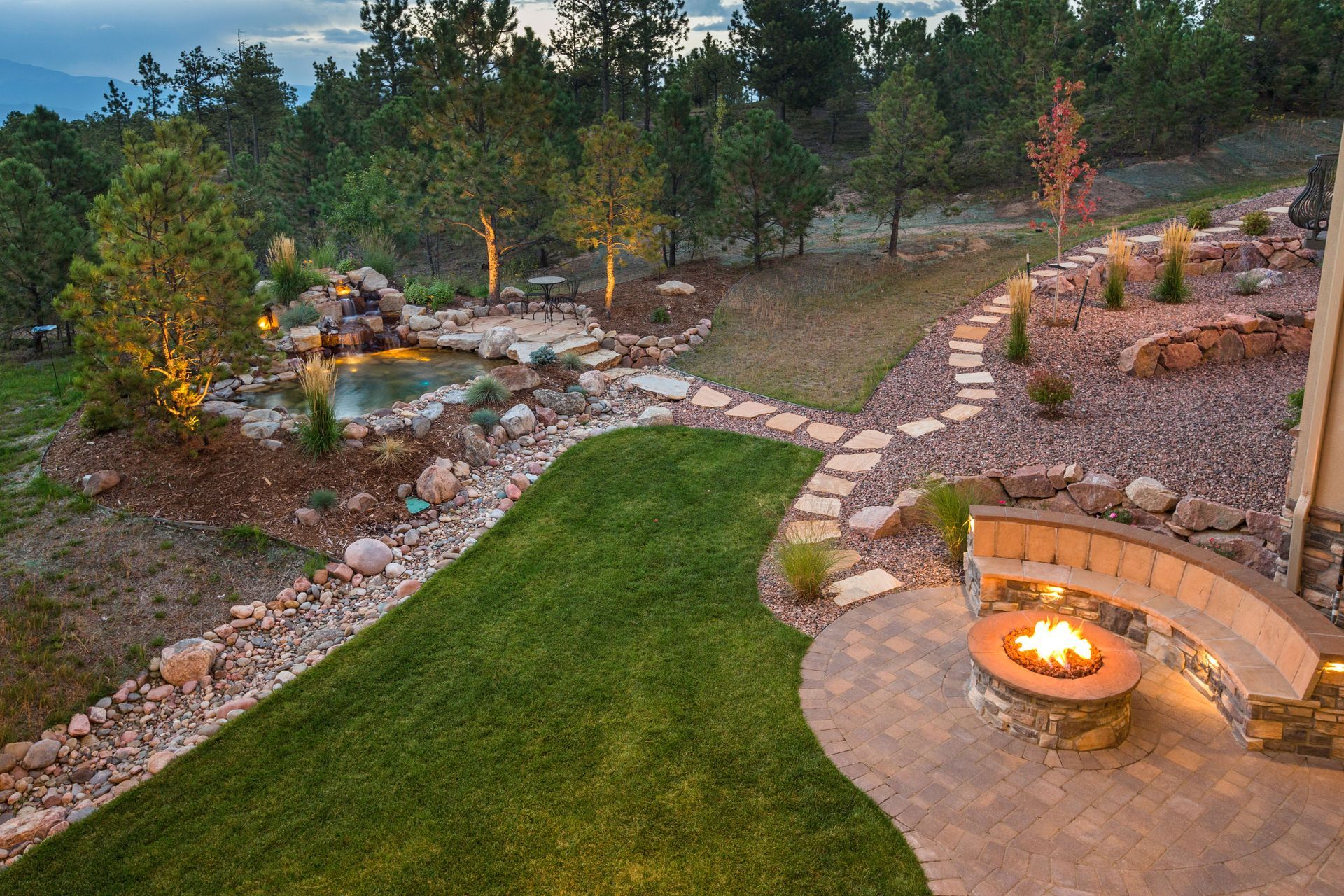
In areas with significant elevation changes or heavy rainfall, erosion can wash away a beautiful landscape in a single storm. Lightweight wood mulch is prone to floating and washing away during downpours, which can leave soil exposed and clog drainage systems. Gravel is much heavier and tends to stay put even during intense weather events. Using heavier stone from a professional source of lawn and garden supplies can help stabilize hillsides and prevent soil loss. This stability makes gravel a superior choice for areas near downspouts or on sloped properties where water runoff is a constant concern.
The Role of Professional Installation
The success of any landscape project often depends on the quality of the groundwork. While the materials themselves are important, how they are integrated into the existing environment determines their longevity. Professional installers understand how to grade the land and choose the appropriate depth for both mulch and stone. They can identify which lawn and garden supplies will perform under specific site conditions, such as high shade or poor drainage. By relying on expert services, a homeowner ensures that the transition between different zones of the property is seamless and that the chosen ground cover serves its intended purpose for many years.
Choosing between gravel and wood mulch is a decision that affects the look, feel, and workload of a home for the long haul. While wood offers a traditional, nutrient-rich environment for plants, gravel provides unmatched durability and a modern edge. Both materials have a place in a well-designed yard, and often the most successful landscapes utilize a combination of both to meet different needs. By carefully selecting high-quality lawn and garden supplies and considering the specific needs of the local environment, it is possible to create a stunning outdoor retreat that remains beautiful and functional throughout the seasons. Herman's Landscape Supplies can help you select the perfect materials for your next project.
Share On: