
How to Use Landscaping Dirt to Solve Grading and Drainage Issues
Proper grading and drainage are critical in professional landscaping to prevent water-related issues and ensure the longevity of outdoor spaces. Ineffective drainage leads to surface water pooling, soil erosion, and severe foundational problems that threaten structural integrity. When water accumulates near a foundation, it can seep into basements or weaken concrete slabs, causing expensive long-term damage. Professional landscape architects focus heavily on initial site preparation to ensure water flows naturally away from high-value structures.
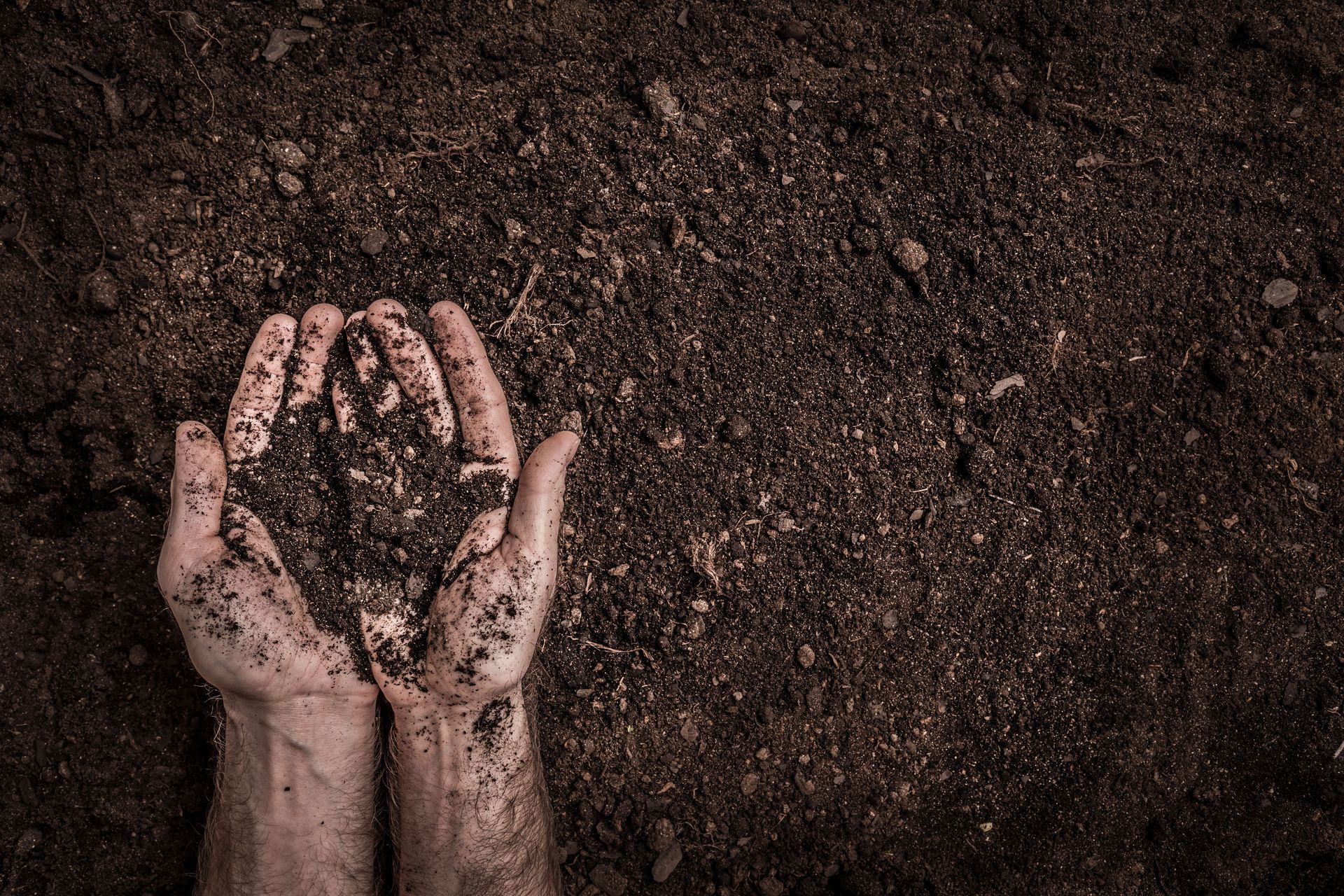
Managing these environmental challenges requires a deep understanding of structural topography and earthwork mechanics. Experienced contracting teams utilize a variety of specialized materials to reshape contours, fill depressions, and build stable slopes across diverse properties. One of the most fundamental components used in this process is high-quality landscaping dirt, which serves as the foundational substrate for altering surface topography. Selecting the correct material allows professionals to correct existing low points and establish a functional slope that guides runoff toward designated storm channels.
Analyzing Soil Properties for Professional Grading
In the booming landscape services industry, valued at $188.8 billion, according to the National Association of Landscape Professionals in 2025, addressing grading and drainage is a priority. This massive economic valuation reflects the widespread commercial demand for professional solutions that not only beautify open outdoor spaces but also manage severe environmental challenges effectively. Soil properties, including nutrient composition, pH levels, and overall permeability, dictate how water interacts with the ground surface. For instance, high clay content restricts water movement, causing prolonged saturation, whereas sandy compositions allow rapid infiltration but lack adequate structural stability.
To optimize permeability and prevent waterlogged conditions, professionals often amend the subterranean profile by mixing contrasting materials. Improving the structural integrity of the ground involves balancing compaction levels to ensure the site can withstand heavy foot traffic without sacrificing essential pore space. When specialized crews distribute new landscaping dirt across a compromised site, they carefully calculate the load-bearing capacity and fluid transmission rates of the material. This precise management ensures that the upper ground layers maintain a healthy balance of aeration and moisture retention.
Evaluating Topography and Water Accumulation Patterns
Conducting an exhaustive site assessment allows commercial operators to identify structural vulnerabilities before embarking on major earthmoving operations. Topographic maps and advanced surveying instruments offer clear insights into elevation changes, natural depressions, and existing water pathways. By analyzing how rainfall moves across a property, engineering teams can pinpoint exactly where pooling occurs and where structural erosion is most likely to degrade the terrain. This diagnostic phase is essential because hidden slopes or compacted subsurface layers can completely alter the expected direction of stormwater runoff. Armed with precise data, professionals design targeted intervention plans that integrate seamlessly with the natural contours of the surrounding local ecosystem.
Recognizing early warning signs of inadequate drainage, such as recurrent mud patches or exposed plant roots, prevents minor issues from escalating into major liabilities. When water is left to stagnate, it weakens the soil structure and creates breeding grounds for pests while killing valuable turf and ornamental vegetation. To remedy these localized depressions, contracting teams use professional-grade landscaping dirt to re-establish uniform surface grades that encourage steady, non-destructive water movement. This material fills the dangerous voids where moisture tends to settle, creating a smooth transition that allows water to glide effortlessly toward drainage grates.
Manipulating Surface Elevations and Slopes Effectively
Altering land contours requires strategic calculations to guarantee that newly created slopes direct moisture away from building foundations and paved surfaces. The cut and fill method is a standard commercial practice where soil is excavated from elevated areas and redistributed to lower sections to create a balanced topography. This method minimizes the necessity of importing external components, reducing logistical costs and environmental impacts during large-scale construction operations. Achieving the ideal slope gradient involves precise mechanical grading to ensure that the ground drops at a rate sufficient to move water without causing surface scouring. Professional operators utilize heavy machinery guided by laser leveling systems to execute these precise grading plans.
When a site demands significant elevation increases to protect structures from seasonal high-water tables, importing massive quantities of bulk material becomes necessary. Utilizing clean, structured landscaping dirt allows operators to build up low-lying areas and establish resilient berms that deflect oncoming surface water flows. Each layer of applied material must be systematically compacted using specialized vibratory rollers to prevent future settling, which could ruin the established grade. This methodical buildup creates a reliable barrier against moisture intrusion, ensuring that the property remains dry and usable even during torrential downpours.
Implementing Advanced Subsurface Drainage Networks
While surface grading handles the majority of visible runoff, managing subsurface saturation requires the installation of dedicated engineered systems. Swales and French drains are commonly integrated into professional grading layouts to capture excess water and guide it safely to municipal outlets. A French drain utilizes a perforated pipe nestled inside a gravel-filled trench, allowing ground moisture to enter the system easily while preventing soil particles from clogging the line. These systems work below the surface to relieve hydrostatic pressure against retaining walls and building foundations, maintaining overall structural safety. Combining surface slope modifications with subterranean drainage networks allows landscape architects to create comprehensive water management systems.
The success of these subterranean systems depends heavily on how the surrounding backfill material is managed during the final phase of installation. Covering trenches with appropriate layers of landscaping dirt ensures that the surface blends beautifully with the rest of the manicured lawn or garden beds. This upper layer must be porous enough to allow water to filter down into the drainage channel while remaining firm enough to support turf growth. Professional contractors choose specific soil blends that offer high filtration rates to prevent surface water from bottlenecking above the buried pipes.
Integrating Vegetative Solutions and Permeable Features
Incorporating living elements into a water management plan enhances both the ecological health and visual charm of a modern commercial property. Rain gardens are an excellent example of functional design, utilizing deep-rooted native plants placed inside shallow basins to capture and filter stormwater naturally. These specialized vegetative features slow down the velocity of heavy runoff, allowing the moisture to slowly recharge localized groundwater reserves instead of overwhelming public sewer systems. Installing permeable pathways made of porous concrete or interlocking pavers allows rainwater to sink directly into the ground, drastically reducing surface runoff volumes. These green infrastructure practices complement traditional grading methods perfectly.
To support these vegetative installations, the underlying soil matrix must be carefully engineered to provide both stability and optimal moisture transmission. Applying a specialized blend of landscaping dirt within these planting zones ensures that root systems receive adequate oxygen while avoiding prolonged, suffocating saturation. This balanced growth medium helps native shrubs and grasses establish deep, robust root networks that actively bind soil particles together, preventing surface erosion. Furthermore, combining these soil adjustments with professional mulching techniques helps regulate ground temperatures and retain necessary moisture during dry spells. The resulting landscape is a resilient, self-sustaining ecosystem that easily handles fluctuating water volumes.
When planning a major property transformation or resolving chronic pooling issues, securing high-quality materials and professional guidance is paramount to achieving success. Utilizing the right
landscaping dirt is a fundamental step in correcting elevation deficiencies and establishing a stable foundation for all subsequent design elements. Rather than leaving environmental management to chance, partnering with dedicated professionals ensures that every slope, drain, and soil layer is executed to the highest industry standards. To ensure your next project is built on a solid foundation, contact Herman's Landscape Supplies today to explore our comprehensive professional landscape management and earthwork solutions. Our expert team stands ready to transform your property into a beautiful, functional masterpiece that handles heavy water flows perfectly without any issues.
Share On: