
Landscaping Dirt Guide for Healthy Soil and Plant Growth
Creating a stunning garden begins right beneath your feet, where essential nutrients and stable foundations give your plants everything they need to flourish over time. When we understand how soil composition, texture, and organic matter interact, we can easily select high-quality landscaping dirt that encourages vigorous roots and lasting garden vitality. Whether you are laying down initial beds or amending established beds, prioritizing proper soil structure is the single most effective way to ensure your property remains beautiful through every passing season.
Analyze Soil Composition Basics
Understanding soil composition and landscaping dirt is the first step toward creating a thriving garden throughout your property. Natural soil, the absolute foundation of plant life, is composed of minerals, organic matter, water, and air. Each component plays a crucial role in supporting plant health, root stability, and robust seasonal growth. Minerals provide essential nutrients, organic matter improves soil structure, and water and air facilitate basic root functions. Recognizing these foundational elements will guide the selection of suitable landscaping dirt for all your future planting projects.
Maximize Organic Matter Benefits
Organic matter is a pivotal component of soil health, directly influencing its overall structure and fertility over time. It originates from decomposed plant and animal residues, enhancing long-term nutrient availability and natural water retention. High organic content continuously fosters beneficial microorganisms, creating a lively ecosystem that supports plant vigor in every bed. Regularly adding compost or aged manure can substantially boost the natural organic matter present in your garden beds. This straightforward practice not only promotes robust plant growth but also supports environmental conservation by reducing the need for chemical fertilizers.
Regulate Soil pH Levels
Soil pH, which serves as a direct measure of acidity or alkalinity, greatly impacts nutrient availability to your growing plants. Most garden plants thrive in a slightly acidic to neutral pH range where essential nutrients become naturally accessible to root systems. Conducting a simple pH test is an effective way to understand your ground conditions and make necessary adjustments over time. Lime can raise pH levels when conditions become overly acidic, while sulfur can gradually decrease them to provide balanced growing conditions. Understanding and adjusting your soil pH is crucial for maximizing the long-term potential of your outdoor spaces.
Understand Soil Texture Variations
Soil texture refers to the distinct proportion of sand, silt, and clay particles contained within your soil mix. These microscopic particles determine how efficiently your ground can retain moisture and nutrients, directly affecting plant growth rates. Sandy soils drain very quickly but may lack essential nutrients, while heavy clay soils hold water but can easily become compacted under pressure. Silt soils lie right between these extremes, offering an ideal balance of moisture drainage and nutrient availability. Recognizing your natural soil texture helps tailor your physical management practices to enhance its capability to support healthy root systems.
Inspect Natural Soil Structure
Soil structure pertains to the physical arrangement of soil particles into stable aggregates, heavily influencing aeration, drainage, and deep root penetration. Well-structured soils feature stable aggregates that naturally resist erosion and surface compaction, fully supporting robust plant growth. Practices such as avoiding excessive tilling and using non-invasive cover crops can maintain and significantly improve soil structure over the years. Incorporating rich organic matter further enhances overall soil aggregation, promoting a resilient environment for your favorite plant varieties. A strong soil structure ultimately leads to vastly improved water and nutrient availability for every tree, shrub, and flower.
Test Soil Types Accurately
Identifying your specific soil type is a crucial step in understanding its unique physical properties and growth limitations. A simple texture test, such as the classic jar method or ribbon test, provides quick insights into whether your ground is predominantly sandy, clay, silt, or loam. Professional laboratory testing can deliver even more precise results, including comprehensive nutrient analysis and exact pH readings. Knowing your base soil type allows you to tailor amendments and long-term care practices effectively without wasting resources. A comprehensive understanding of your foundational characteristics leads to far more informed decisions and a visually stunning property.
Manage Heavy Clay Soils
Clay soil is widely known for its extremely small, densely packed particles that result in high water retention and poor drainage. This specific type of ground can become heavily compacted over time and may limit root growth, directly challenging delicate plant development. However, natural clay soils are naturally rich in essential nutrients, making them remarkably fertile once properly managed with top-dressings. Incorporating high-grade organic matter helps break up tight particles, improve natural drainage, and alleviate deep compaction issues. With thoughtful management and the right landscaping dirt blends, heavy clay ground can quickly become a productive medium for all kinds of garden growth.
Improve Fast Draining Sand
Sandy soil is characterized by large, coarse particles that allow for rapid water drainage but often lead to fast nutrient leaching. This soil warms up quickly during the early spring months, offering an extended growing season in many different regional climates. However, its poor water retention requires frequent irrigation schedules and constant nutrient supplementation to keep plants looking vibrant. Adding rich organic matter dramatically improves both water and nutrient-holding capacity, enhancing overall fertility for demanding root systems. With appropriate amendments and quality inputs, sandy ground can easily support a wide variety of native plants and ornamental grasses.
Capitalize on Loamy Soil
Loamy soil is often considered the absolute ideal medium for gardening due to its balanced mixture of sand, silt, and clay particles. This specific composition offers excellent natural drainage while simultaneously retaining sufficient moisture and vital nutrients for growing root systems. Loamy soil easily supports a diverse range of plant species, providing maximum flexibility for your complex landscape design plans. To maintain its superior physical structure over time, incorporating fresh organic matter and practicing proper plant rotation are highly beneficial strategies. By consistently nurturing loamy soil, property owners can create a resilient, productive, and visually appealing garden setup.
Apply Fertilizers Responsibly
Fertilizers provide essential primary nutrients that directly support plant development and build long-term soil fertility in hungry beds. However, selecting the precise formulation and proper application rate is absolutely crucial for environmental safety and plant health. Over-fertilization frequently leads to chemical runoff, ground pollution, and unnecessary plant stress, making balanced application practices vital. Combining modest fertilizer applications with rich organic amendments like compost reduces the overall reliance on harsh synthetic inputs. By applying fertilizers judiciously and using premium landscaping dirt, we can easily promote lush plant growth while fully protecting the local ecosystem.
Control Landscape Soil Erosion
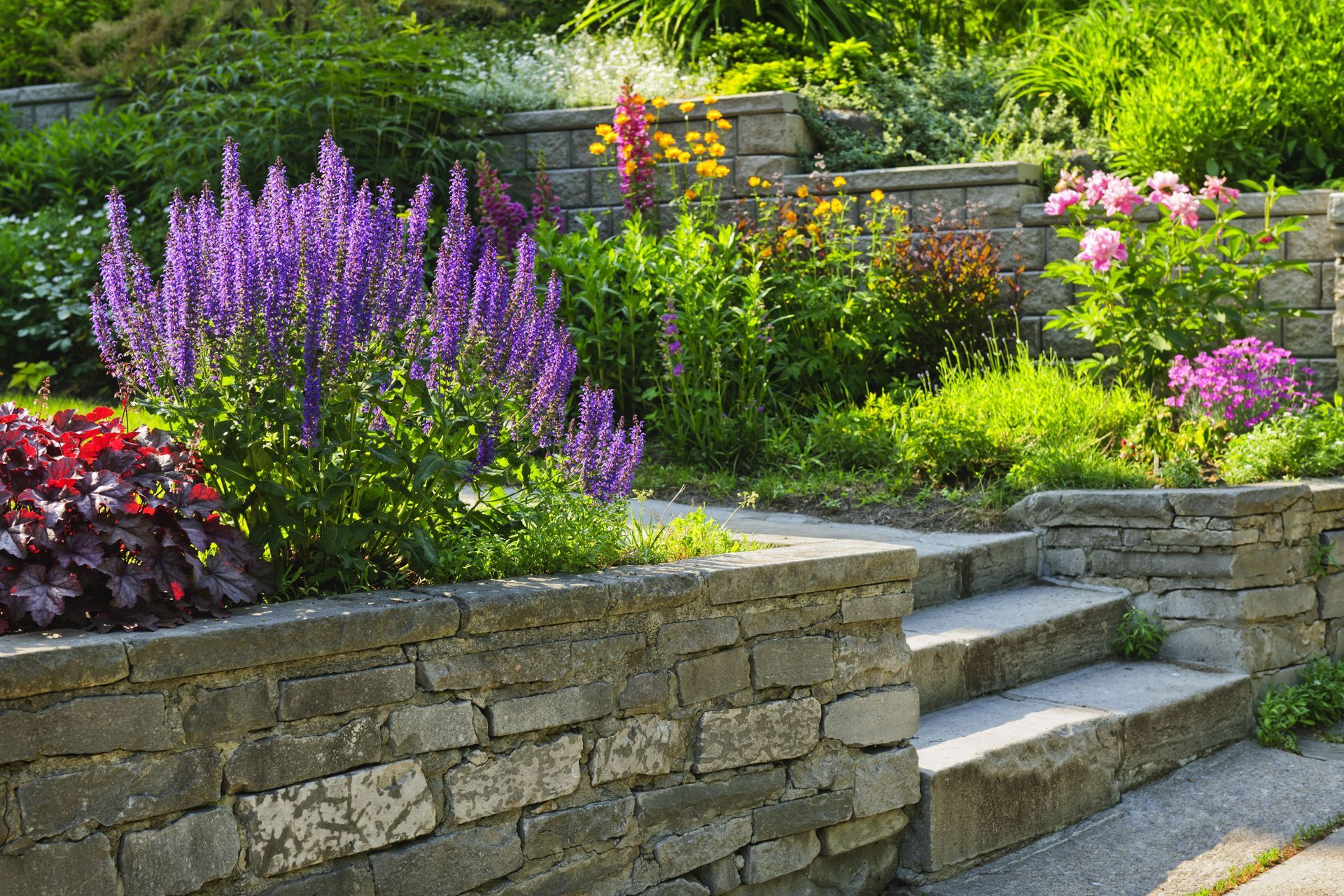
Preventing soil erosion is a critical priority because unmanaged runoff strips away valuable topsoil and degrades your entire landscape design. Installing dense ground covers and applying heavy layers of protective mulch stabilizes exposed ground surfaces, drastically lowering washouts. Terracing steep hillsides and constructing durable retaining walls are exceptionally effective structural solutions for sloped areas, controlling sediment and redirecting intense water flow. Incorporating cover crops and adding raw landscaping dirt strengthens the physical ground structure against heavy rains. Implementing these proven erosion control strategies protects your valuable soil resources and ensures long-term garden success.
According to research conducted by Grand View Research, the global market size for landscaping services reached approximately USD 330.58 billion in 2024 and is anticipated to expand at a CAGR of 6.7% between 2025 and 2030. Having the right materials makes all the difference when managing your property. At Herman's Landscape Supplies LLC, we provide high-grade landscaping dirt alongside a complete inventory of Gravel, Sand, Pavers, Flagstone, Natural Stone, Steppers, Natural Wall Stone, Retaining Walls, Edgers, Mulch, Decorative Rocks and Boulders, Custom Rock Features, Boulder Steps, Landscape Accessories, Landscape Supplies, and Hiniker Plows to help you build healthier garden beds. Contact Herman's Landscape Supplies LLC today to get top-quality materials delivered straight to your property for your next landscaping project!
Share On: