
How Fresh Landscaping Dirt Transforms Your Property
Every healthy, eye-catching yard begins beneath the surface with the earth you put into the ground. When your lawn looks tired, thin, or patchy, the underlying earth has usually run out of life. Over years of storms, heat, and foot traffic, native ground loses essential natural elements, packs down hard, and stops passing water to roots. Bringing in fresh earth revitalizes your lawn beds, softens compacted clay or loose sand, and establishes a fertile foundation where grass, shrubs, and perennials can spread deep roots and thrive all season long.
Upgrading your yard with clean landscaping dirt brings long-term rewards that go far beyond a weekend project. Rich earth balances moisture levels across low spots, stops muddy puddles from drowning plants, and feeds roots without heavy chemical sprays. According to LawnStarter, a standard rule of thumb is to spend about 10% of your home’s value on total front yard and backyard landscaping. Starting with clean earth ensures every dollar you put into green sod, flowering bushes, and stone edging delivers peak curb appeal and protects your investment.
Understanding the Basics of Soil Composition
Good earth holds a balanced mix of weathered mineral dust, decayed organic material, open air spaces, and pocketed water. Loose sand particles let trapped moisture drain quickly, fine silt adds a smooth texture, and dense clay binds minerals tightly together. When these three elements blend in the right amounts, they form an open, crumbly loam that lets root tips push downward without wasting valuable energy.
Adding new landscaping dirt rebuilds this balance by replenishing decayed plant compost, fallen leaf mold, and vital minerals. This combination acts like a sponge, holding moisture during hot, sunny afternoons while letting excess rain drain away from fragile root hairs. Starting your seasonal garden beds with balanced, screened earth prevents hard soil crusting and gives every new seedling the balanced nutrition it needs to thrive.
Supporting Soil Health Through Active Microbes
Healthy ground is filled with billions of microscopic helpers, including helpful bacteria, tiny fungi, and microscopic earthworms. These invisible organisms break down fallen leaves and dried roots, turning raw natural material into simple nutrients that growing plants can immediately drink in. Without active microbes, even the most expensive fertilizers sit useless in the dirt because roots cannot digest raw chemicals on their own.
Spreading nutrient-dense landscaping dirt introduces a bustling underground network that continuously renews your soil. These beneficial microbes link up directly with root tips, acting like underground extensions that bring moisture and food from deeper down. They also crowd out harmful plant diseases and mold, creating a naturally clean, safe environment where your garden thrives with less maintenance.
Comparing Fresh Dirt with Standard Topsoil
Many homeowners mistakenly believe that all dark earth in a pile works the same way in a flower bed. Standard topsoil scraped from empty fields often carries buried weed seeds, heavy rocks, dried roots, and sticky clay chunks. This generic earth frequently settles into hard, concrete-like slabs after two rains, trapping water on top and starving underlying roots of fresh oxygen.
Screened landscaping dirt undergoes thorough sifting and balancing to remove rough debris, tree chunks, and unwanted weeds. Producers enrich it with aged compost and natural matter so it delivers steady, dependable fertility across your whole lawn. Choosing clean dirt saves you hours of pulling tough weeds and prevents annoying low spots from sinking around your home's foundation.
Measuring Quality Markers in Clean Earth
Evaluating good earth comes down to simple physical signs: smell, color, texture, and moisture absorption. High-grade earth carries a deep chocolate-brown or nearly black color and smells like a fresh forest floor after a mild rain shower. When you squeeze a damp handful, it should form a soft ball that crumbles smoothly apart when tapped, rather than turning into a sticky clay clump or running through your fingers like loose sand.
Testing the acidity and food levels in your landscaping dirt ensures your specific flowers and grasses grow properly. Most lawn varieties prefer neutral ground with balanced readings where roots absorb minerals without burning. Checking these basic conditions before planting gives your landscape a healthy head start, ensuring thick turf, larger blooms, and bright leaves throughout the entire growing season.
Boosting Curb Appeal and Plant Growth
Spreading dark, nutrient-rich earth creates an immediate visual lift across your entire front yard. The dark, uniform color establishes a clean backdrop that makes bright green lawn turf and colorful flowering petals pop with brilliant contrast. Plants rooted in fresh earth grow thicker, taller, and produce significantly larger flowers because their root systems pull in clean water and balanced food every day.
Healthy greenery supported by quality landscaping dirt resists blistering summer heat waves and dry spells far better than plants in poor ground. Strong root systems hold moisture reserves deep beneath the surface, keeping leaf tips from scorching brown when temperatures climb. Your landscape stays vibrant and lively, giving your property an upscale look that immediately elevates your home's neighborhood profile.
Leveling Low Spots and Fixing Drainage
Sunken patches and uneven dips make lawns difficult to mow, look sloppy, and collect standing water after brief showers. These waterlogged spots drown delicate turf grass, invite swarms of mosquitoes, and turn your yard into a muddy mess for pets and kids. Packing and smoothing clean earth across these low zones eliminates tripping hazards, restores neat lines, and protects surrounding structures.
Directing rain runoff safely away from walls and walkways requires properly sloped landscaping dirt around your home perimeter. Raising low sections ensures stormwater glides gently into rain gardens or designated drainage swales instead of soaking against your concrete foundation. A properly graded lawn saves thousands of dollars on structural repairs, keeping your basement dry while preserving neat yard edges.
Layering Depth and Texture Across Garden Beds
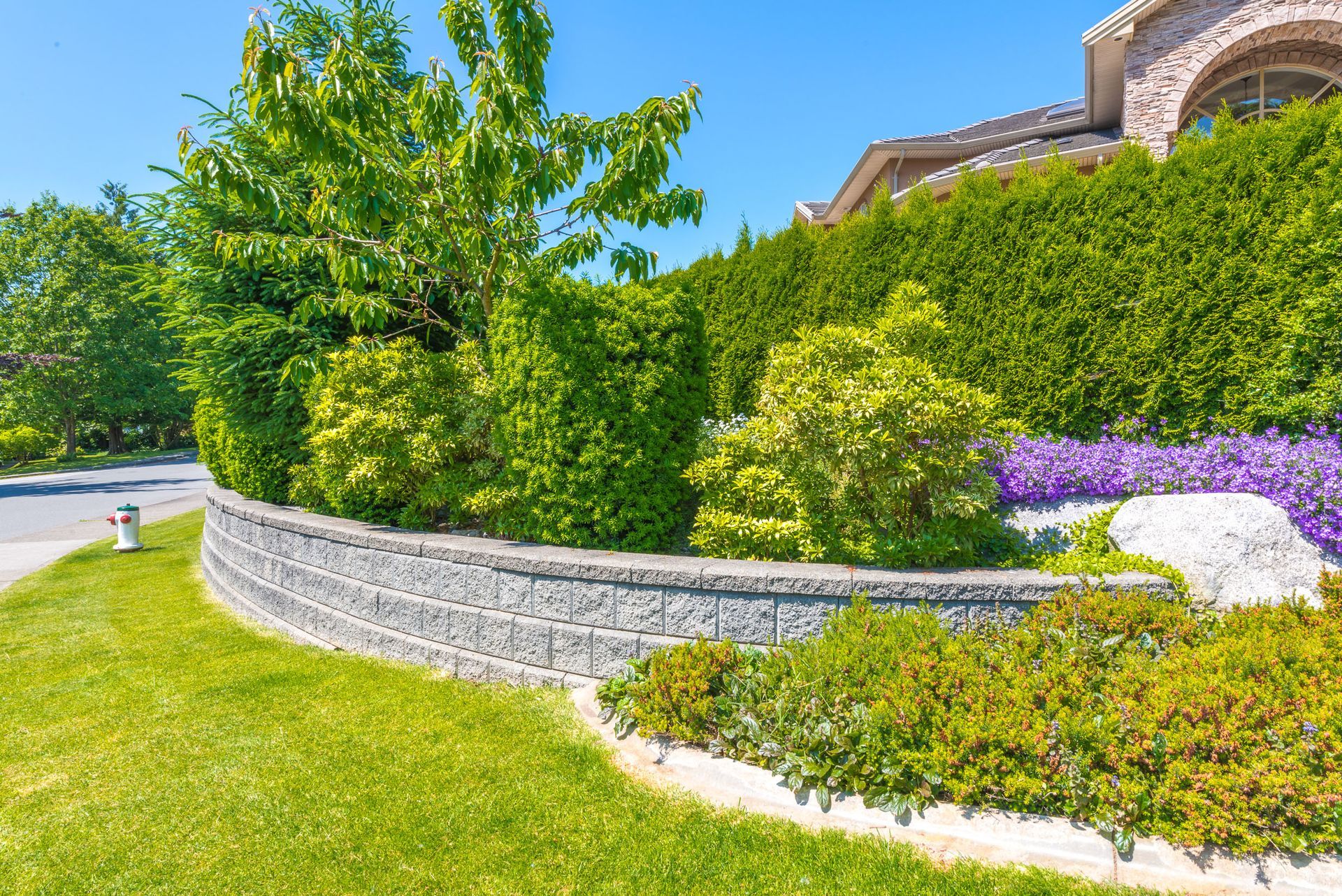
Creative outdoor design relies on varied planting heights, gentle mounds, and layered borders to build visual depth. Bringing in extra earth lets you shape raised berms, curved borders, and stepped garden tiers that break up flat, uninspired yards. These raised planting zones make modest spaces feel much larger by creating distinct zones for tall bushes, decorative grasses, and creeping ground cover.
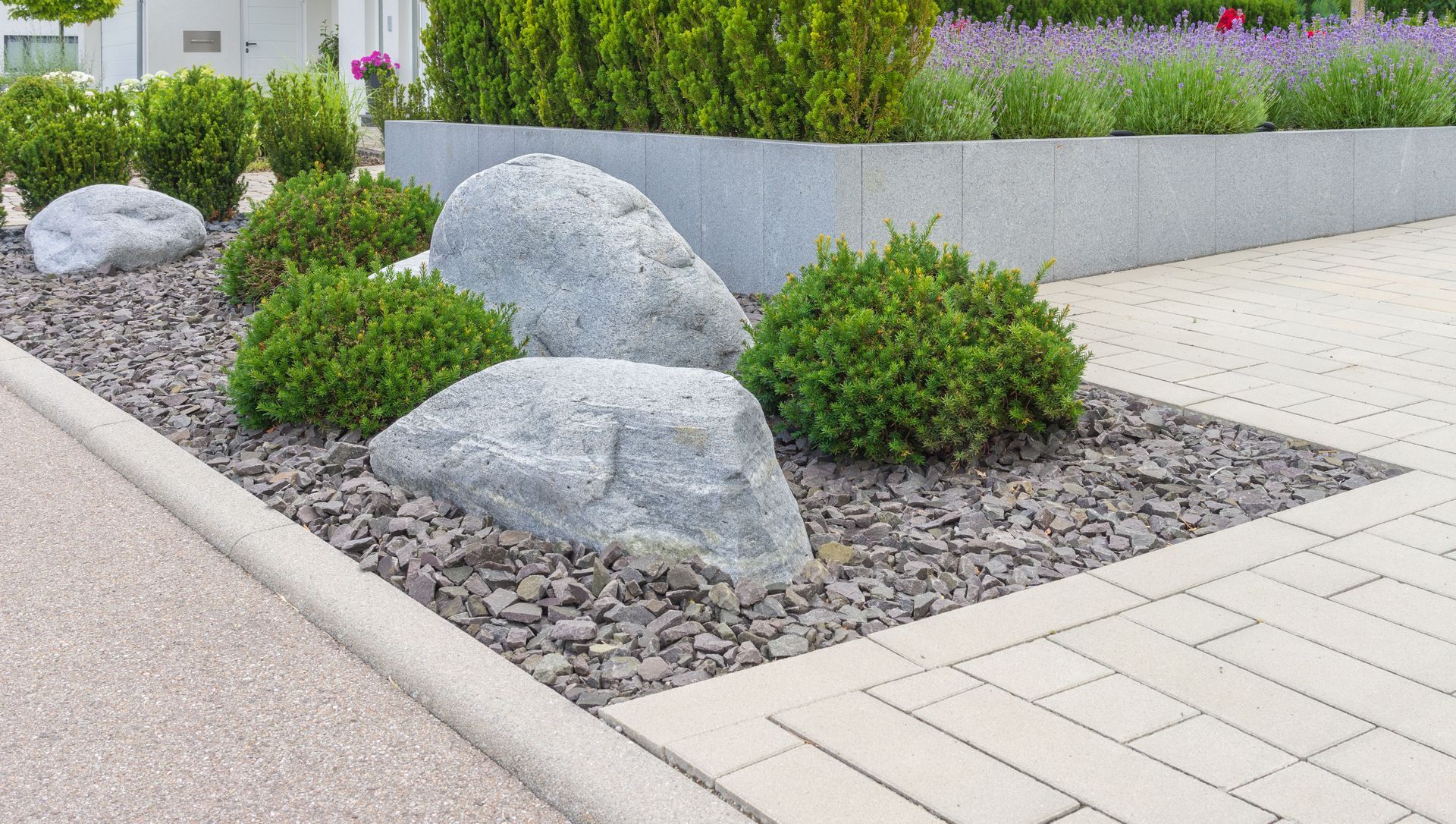
Rich landscaping dirt creates the structural support needed to keep raised plant mounds and heavy decorative boulders stable during rainy seasons. Layering varied heights draws the viewer's eye smoothly through your outdoor space, transforming a plain rectangular lawn into an engaging backyard sanctuary. Well-structured mounds also guarantee superior drainage for delicate perennial roots, allowing you to grow unusual, specialty plants that fail in standard flat beds.
Choosing Herman's Landscape Supplies for Total Success
Restoring your outdoor living area begins from the ground up with premium materials, knowledgeable advice, and reliable delivery. Wasting hard-earned money on mystery topsoil leads to endless weeds, water puddles, and struggling plants that wither within their first season. Choosing screened earth ensures your lawn, garden beds, and foundation borders receive the essential nutrients and drainage they need to flourish for years to come.
When you are ready to give your yard the care it deserves, turn to local specialists who understand regional planting conditions. Contact the dedicated team at Herman's Landscape Supplies to schedule your bulk earth delivery and start your garden upgrade on the right foot. Our friendly staff is ready to help you select the perfect blend to make your property greener, healthier, and more inviting today.
Share On: