
How to Choose the Right Landscape Rocks for Your Yard
A well-designed landscape can make a yard more attractive, functional, and easier to maintain. While plants, trees, and flowers often receive the most attention, hardscaping materials also play an important role in creating a balanced outdoor space. Landscape rocks offer a versatile way to add texture, color, and structure to gardens, walkways, flower beds, and other areas around a property. With so many sizes, shapes, and materials available, choosing the right option can feel overwhelming.
The best choice depends on several factors, including your yard's layout, the purpose of the project, your preferred appearance, and how much maintenance you want to perform. Understanding these considerations can help you select materials that complement your property and hold up over time. Whether you are refreshing an existing garden or planning a completely new landscape, the following tips can help you find the right rocks for your outdoor space.
Consider the Purpose of Your Project
Before selecting a particular type of rock, determine how you plan to use it. Different materials serve different purposes, and identifying your project's needs can narrow down the available options. For example, decorative stones can create attractive borders around flower beds, while larger rocks can help define garden features or add visual interest to open areas.
If you are looking for a material to cover large sections of exposed soil, smaller stones may provide a practical alternative to traditional mulch. They can help limit weed growth when installed with an appropriate landscape barrier and reduce the need for frequent replenishment. However, rocks do not add organic nutrients to the soil as mulch does.
For walkways and areas with regular foot traffic, consider materials that create a relatively stable walking surface. Smaller, rounded stones may shift underfoot, while compactable crushed stone can provide better support when properly installed. Thinking about how people will interact with each area helps ensure your selection is both attractive and functional.
Match Rock Colors to Your Landscape
Color is another important consideration when choosing materials for your yard. The right shades can complement your home's exterior, outdoor furniture, existing plants, and other hardscaping features. Neutral colors, such as gray, tan, and brown, tend to work well with many landscape styles. They can create a natural appearance without drawing too much attention away from flowers and greenery.
If you prefer a more noticeable design, consider stones with contrasting colors. White or light-colored rocks can brighten shaded garden areas, while darker materials can create a striking backdrop for colorful plants. Mixing complementary shades can also add depth to a landscape, especially when creating decorative borders or separating different planting areas.
It is helpful to look at samples outdoors before making a final decision. Natural and artificial lighting can change how a material appears throughout the day. Comparing colors near your home's siding, patio, or existing landscape features can help you determine which option creates the most cohesive appearance.
Choose the Right Rock Size and Shape
The size and shape of your materials can influence both the appearance and functionality of your landscape. Smaller stones, such as pea gravel, have a smooth, rounded appearance that works well for decorative garden spaces and certain pathways. Their compact size creates a consistent surface, although they may move more easily in areas with heavy foot traffic.
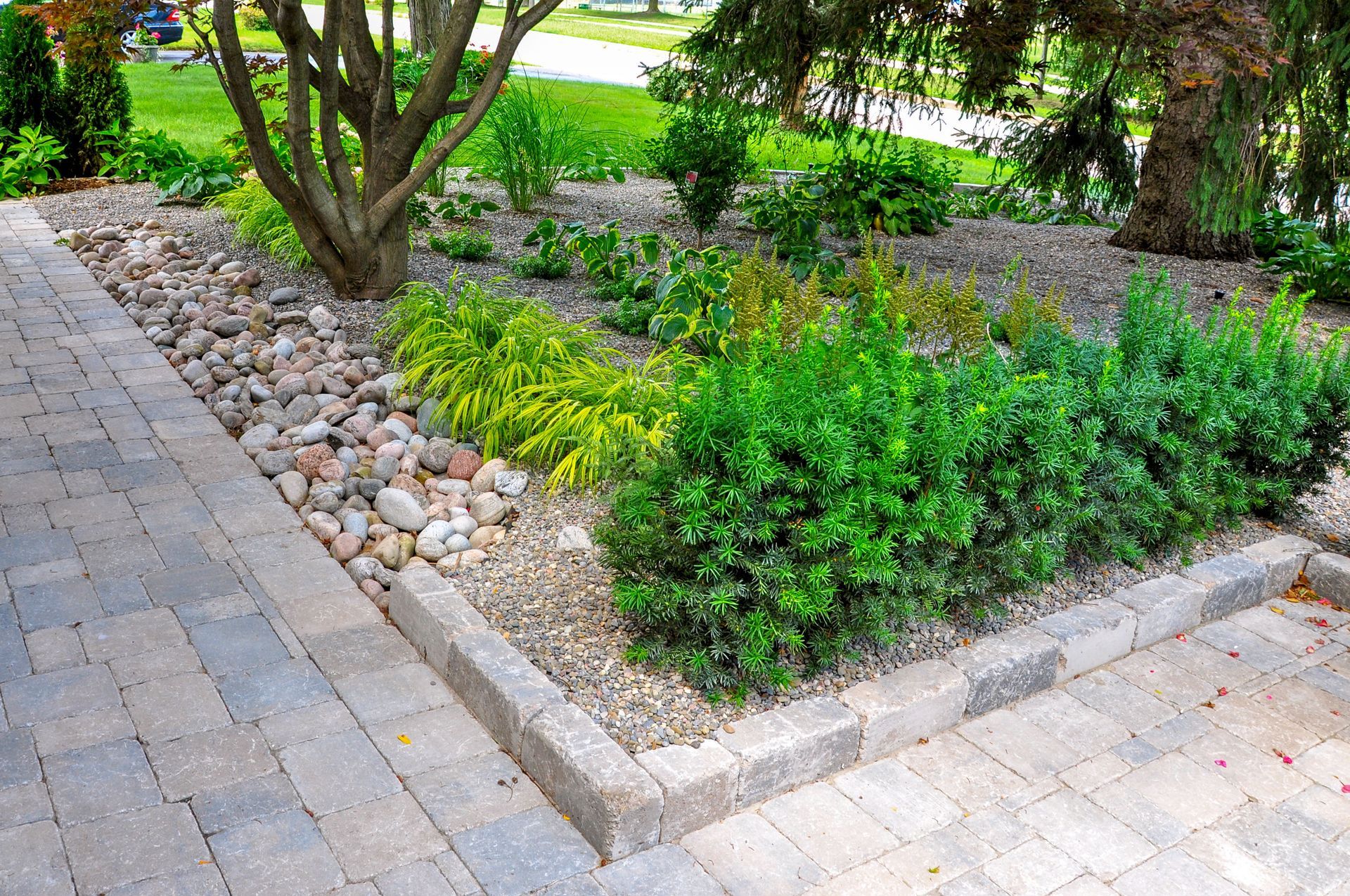
Medium-sized stones can provide a noticeable decorative effect without overwhelming smaller landscape features. They are commonly used around shrubs, trees, and flower beds. Larger rocks, including river rock and boulders, can serve as focal points or create natural-looking accents throughout a yard.
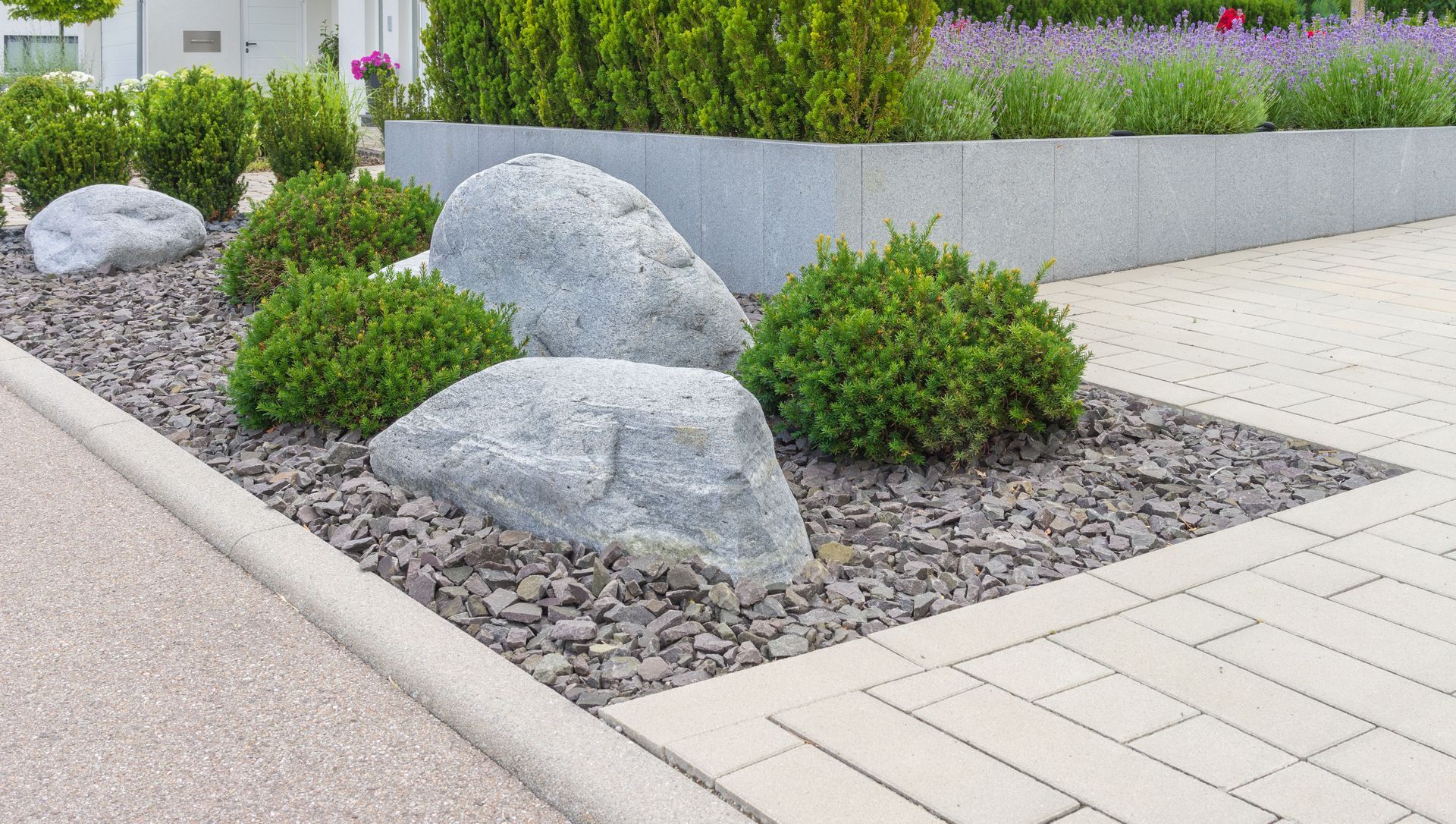
Shape also matters. Rounded stones offer a softer, more organic appearance, while angular materials create a more structured look. Crushed stone is particularly useful when a project requires materials that can settle and compact together. When comparing landscape rocks, consider the scale of your yard and the surrounding features. Oversized materials may overwhelm a small garden, while tiny stones can become visually lost in a large open area.
Evaluate Drainage and Soil Conditions
Drainage should be part of the decision-making process, especially when installing rocks near buildings, garden beds, or areas that collect rainwater. Although stone coverings can help reduce soil exposure, they do not automatically resolve drainage problems. Water must still have an appropriate path to move away from structures and through the landscape.
For areas where drainage is a priority, gravel and other appropriately sized aggregates may help support water movement. The best material depends on the soil type, slope, and intended drainage system. Larger drainage stones are often used in areas where water needs to pass through a designated channel, while smaller decorative stones may be better suited for garden beds.
Before installation, evaluate whether water naturally pools in the area and whether the ground slopes toward or away from your home. Proper grading and preparation are essential for preventing water from collecting in unwanted locations. If your project involves significant drainage concerns, consider consulting a landscaping professional before selecting materials.
Think About Maintenance Requirements
Although many homeowners choose rocks because they can reduce certain landscaping chores, different materials still require occasional attention. Leaves, dirt, and other organic debris can collect between stones, particularly in garden beds surrounded by trees. Over time, this debris can create conditions that allow weeds to grow.
Smaller stones may need periodic repositioning because they can scatter due to foot traffic, rain, or outdoor activities. Larger rocks generally stay in place more easily, but they may require additional effort if you decide to change your landscape design later.
Weed barriers can help reduce unwanted growth beneath stone coverings, but proper installation is important. Preparing the ground, removing existing weeds, and installing the appropriate barrier can make ongoing maintenance easier. Consider how much time you want to spend caring for your yard before settling on a material. Choosing a suitable size and type can help prevent unnecessary maintenance.
Balance Your Design With Your Budget
Your landscaping budget should account for more than the price of the rocks themselves. Material type, size, quantity, transportation, site preparation, and installation can all influence the overall project cost. Some decorative stones may be more expensive than basic gravel, particularly when they feature distinctive colors, shapes, or finishes.
According to Grandview Research, the U.S. natural stone market was estimated at $2.20 billion in 2024 and is projected to grow at a compound annual growth rate of 4.1% from 2025 to 2030. This reflects the continued demand for natural stone materials across various applications, including construction and landscaping.
To make the most of your budget, calculate how much material your project requires before purchasing. Measure the length and width of the area and determine the desired depth of the stone covering. A landscape supplier can help estimate the appropriate quantity based on these measurements. It is also worth comparing materials based on their appearance, durability, and intended use rather than choosing solely by price.
Coordinate Rocks With Existing Features
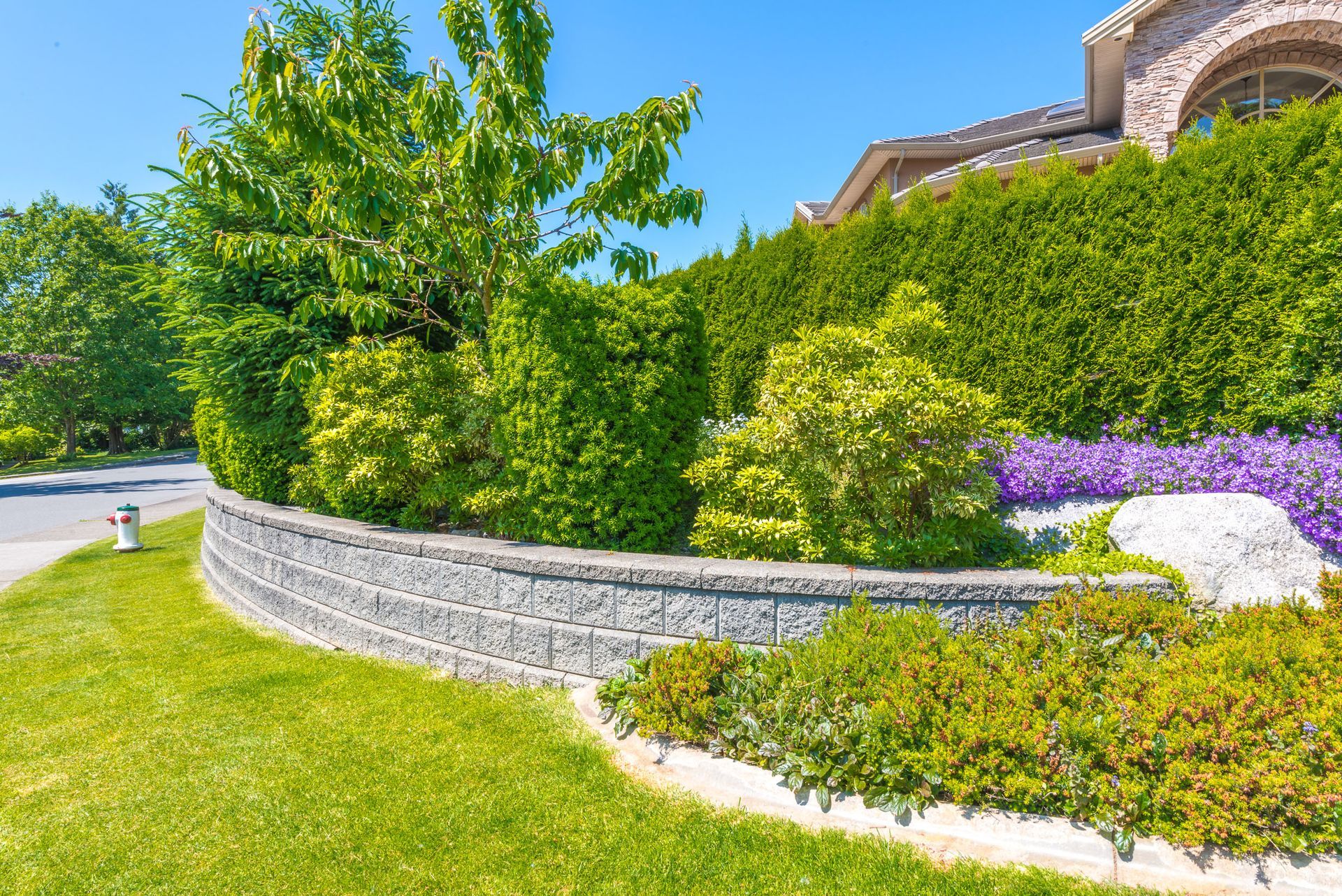
A successful landscape design should feel cohesive rather than like a collection of unrelated materials. When choosing stones, consider how they will work alongside existing patios, retaining walls, walkways, plants, and outdoor structures.
For example, warm-colored stones can complement brick features, while gray materials may pair well with concrete patios and modern home exteriors. If your yard already includes several different hardscaping materials, selecting rocks with similar colors or textures can help tie everything together.
Choosing the right landscape rocks involves balancing appearance, functionality, maintenance, and cost. By considering your project's purpose, evaluating available colors and sizes, accounting for drainage, and coordinating materials with existing features, you can create an outdoor space that suits your property and personal preferences.
Taking time to compare your options before purchasing can also help you avoid materials that are unsuitable for your yard's conditions. Whether you need decorative stones for garden beds, gravel for pathways, or larger landscape rocks for focal points, selecting the right materials is an important step toward achieving a landscape you can enjoy for years to come.
Herman's Landscape Supplies can help you explore
landscape rocks for your next outdoor project and find options that complement your landscape design. Contact us today for more information.
Share On: